
| Reviews & Columns |
|
Reviews DVD TV on DVD Blu-ray 4K UHD International DVDs In Theaters Reviews by Studio Video Games Features Collector Series DVDs Easter Egg Database Interviews DVD Talk Radio Feature Articles Columns Anime Talk DVD Savant Horror DVDs The M.O.D. Squad Art House HD Talk Silent DVD
|
 DVD Talk Forum |
|
|
| Resources |
|
DVD Price Search Customer Service #'s RCE Info Links |
|
Columns
  



 
|
|
|
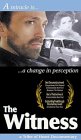
Witness, The
The Witness tells the story of Eddie Lama and how he went from Brooklyn-born construction contractor to animal rights crusader. Part biography, part advocacy piece, the 45 minute film seeks to put a down-to-earth face on a philosophy that is too often portrayed in the media as the domain of extremists and ideologues. While Eddie is a terrific spokesperson for his cause, the film doesn't succeed at all of its goals.
Eddie grew up in a typical Brooklyn neighborhood for his era, surrounded by tough guys and their families. The idea of empathizing with animals was foreign to him as his parents never had pets and looked down on the idea. Eddie recalls seeing kids chasing stray cats down alleys with "intent to do harm," although he never hurt any animals himself. He seems thankful for this fact; I sense that the guilt he would carry if he had would be too much for him to bear.
His connection to animals developed later in life, when a woman asked him to cat-sit. Hoping to use this as an opportunity to get closer to her, Eddie accepted, even though he knew nothing about cats and the idea of a cat in his pristine home would normally have repulsed him. He discovered that what he previously (and coldly) thought of as an "ambulatory organism" was actually an individual with preferences and dislikes and a desire to communicate with him. This revelation led Eddie to eventually give up eating meat and go on a mission to disseminate information on the horrors of the fur industry.
The strange thing about The Witness is that it doesn't dig deep enough. Eddie is a compelling guy, but he still seems like a guy who just met some cats that he liked and decided to fight for animals. There's no real big "story" to his development. And at under an hour, the film doesn't spend enough time with the work that he does do to really flesh it out.
There are many more animal rights crusaders in Eddie's area - and around the country - who have made fighting against cruelty their life's goal for a lot longer than Eddie. The Witness doesn't give a good enough understanding of why this guy should be the subject of the film.
The one thing that he does that's unique is drive a van around Manhattan that he had fitted with TV monitors showing the grisly behind-the-scenes story of the fur industry to random passers-by. But the film is satisfied with showing a slow-motion montage of horrified onlookers set to Sarah McLaughlin music rather than actually engage the public and understand what their opinions on fur are and how Eddie might or might not change them. After all, Eddie says that "a miracle is a change in perception," but the film doesn't explore any miracles other than Eddie's own development.
The fur and meat industry footage used in the film, however, is potent. This is disturbing, horrific imagery that really packs a wallop.
If the film were seen my people who weren't already interested in animal welfare (unlikely) and if it explored the issues in greater depth, I think that it could actually change some people's feelings. But this is probably a case of preaching to the choir, to some extent. (It might be tough for this reviewer to judge, as someone who, like Eddie, has sworn off all meat products.) Eddie's explanation of his own reaction to first seeing the undercover slaughterhouse footage is quite telling: Given his Catholic background, he tried to rationalize out what sort of sins the animals must have committed to be tortured so terribly. He also compares their meaningless plight a situation from his own life (being beaten severely in a mugging) when he felt like the animals in the slaughterhouse: Capable only of screaming and screaming, but with no one to hear his cries. Eddie's words are affecting and very human.
Possibly the moment that best tells Eddie's story, however, is a quiet scene where he sits and talks about the bond between a human and a cat. His pudgy calico rests her head on his lap and sleeps while Eddie marvels at the trust she has in him.
VIDEO:
The full-screen video looks good. There is little visible compression and the imagery, while obviously shot on the move, is clear.
AUDIO:
The stereo audio is good. Eddie's voice is clear and easily understood.
EXTRAS:
A host of PSAs and other video clips about animal issues are included, many available on loop, presumably in case viewers would like to create their own advocacy presentation. Most of the footage, however, is similar to what's seen in the film.
FINAL THOUGHTS:
Eddie Lama's distress over the meat and fur industries and the public's general lack of understanding and sympathy for animals is what makes The Witness compelling. That he comes off as a regular guy and not some in-your-face eco-terrorist or something like that should make him accessible to more people. Even so, the documentary around him doesn't really explore Eddie and the issues that he is so passionate about fully. Regardless, The Witness is worth a look, both as an educational tool and for the curious.
|



| Popular Reviews |
| Sponsored Links |
|
|
| Sponsored Links |
|
|
| Release List | Reviews | Shop | Newsletter | Forum | DVD Giveaways | Blu-Ray | Advertise |
|
Copyright 2024 DVDTalk.com All Rights Reserved. Legal Info, Privacy Policy, Terms of Use,
Manage Preferences,
Your Privacy Choices 
| |||||||