
| Reviews & Columns |
|
Reviews DVD TV on DVD Blu-ray 4K UHD International DVDs In Theaters Reviews by Studio Video Games Features Collector Series DVDs Easter Egg Database Interviews DVD Talk Radio Feature Articles Columns Anime Talk DVD Savant Horror DVDs The M.O.D. Squad Art House HD Talk Silent DVD
|
 DVD Talk Forum |
|
|
| Resources |
|
DVD Price Search Customer Service #'s RCE Info Links |
|
Columns

|
|
|
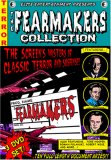
Fearmakers Collection, The
In 1994 author Joe McCarty wrote a book profiling some of Hollywood's most impressive directors of horror, suspense and SF films. Entitled The Fearmakers, it was released by St. Martin's press. Two years later the book was turned into a TV show with the same name, with each of the program's thirteen half-hour episodes examining a different director of classic horror films. Though the series was aired in several countries, ironically McCarty couldn't find any interest for it in the United States.
Fast forward ten years. McCarty acquires the rights to The Fearmakers again and re-edits it. The thirteen original episodes are trimmed down to ten, the host is eliminated, and the series is at long last released domestically on DVD. (I'm not sure if it was ever released on VHS here in the states. If it was, it would have been in the original form.)
Each episode looks at a different director that is remembered for their contributions to genre films. Being only half an hour long, the programs are tight and concentrate on the directors output and the themes that run through their work. The director's background is usually limited to a sentence or two, which isn't a bad thing. The shows hit the ground running and often cover a lot of material in a fairly short amount of time.
Interspersed with clips from each director's films are interviews with some big name people in the world of horror films. Joe Dante, John Carpenter, Dario Argento and Richard Matheson are all featured in various episodes and their comments are often insightful and interesting. Hearing, from their own mouths, how Dante became inspired to start making films and which directors influenced Carpenter is well worth the price of admission. There are also interviews with some creators who are no longer with us, namely William Alland, Sam Arkoff, and Robert Wise. It was great to see these people share their thoughts.
Fans of modern horror maybe a bit disappointed that this show concentrates on directors who worked in the 30's through the 60's, but they shouldn't be. The program does a great job of explaining why these early directors are important and how they helped shape the way films look today. Many of the clips are quite impressive, and though the creature effects from the 50's don't hold a candle to what is accomplished nowadays, many of these directors managed to use their creativity to overcome the technical limitations that they had to work with.
This program gives a good introduction to the works of ten directors. With only a half hour to work with, these aren't in depth analyses of a director's body of work. It's more a survey of what they did, and equally important, the times that they were working in. No one worked in a vacuum, and Fearmakers makes a point of mentioning what else was being released at the time and what types of films were popular. This is a key point that many authors forget to mention.
These ten episodes feature the following directors:
Jack Arnold - Most well known for The Incredible Shrinking Man, he also did the 3D films It Came from Outer Space and The Creature from the Black Lagoon.
Tod Browning - An often overlooked director, this master of the weird directed Lon Chaney (Sr.) in many of his best films. He also made the still shocking Freaks as well as Universal's Dracula (1931).
Roger Corman - Master of the B films, Corman is probably the most well known director in this series. From It Conquered the World to his more ambitious Poe films such as The Fall of the House of Usher, Corman's body of work is examined. This includes interviews with Corman himself.
William Castle - A master showman, the stunts and gimmicks that Castle used to promote and sell his films are legendary. From having a plastic skeleton on strings fly over the heads of the audience to insuring the lives of the viewers with Lloyds of London to be paid if anyone dies from fright, Castle's tricks always played better in the trailers than they did when you were sitting in the audience.
Terence Fisher - The man who reinvigorated the horror genre after the Universal cycle started to rely on camp, Fisher was behind the lens on The Curse of Frankenstein, Horror of Dracula, and other classics.
Tobe Hooper - Texas Chainsaw Massacre. 'Nuff said.
Roman Polanski - This modern day director is known for the classic Rosemary's Baby, The Tenant, and The Fearless Vampire Killers. A nice review of his work.
Jacques Tourneur - Working with very limited budgets, Tourneur was able to create atmospheric and creepy movies that are still effective today. Working with Val Lewton at RKO, Tourneur made such unsung classics as Cat People and I Walked with a Zombie.
Roland West - This is the only director I would have left out. This episode discusses his three genre films, The Bat, its remake The Bat Whispers, and The Monster. They spend just as much time covering his connection to Thelma Todd's mysterious death as they do on his films.
Robert Wise - Most people think of West Side Story or The Sound of Music when they hear Wise's name, but he also created some great horror films such as Curse of the Cat People, The Body Snatcher, and The Day the Earth Stood Still.
The DVD:
Audio:
The stereo audio is only so-so. The narration (by the show's creator Joe McCarty) sounds a bit muddled, slightly distorted in places, but what the narrator is saying is easy enough to understand but it is not crisp. The interviews sound better and but it is obvious that this was done on a shoe string, and some of their statements aren't as clear as they should be. The levels for the opening and closing music are higher than those for the rest of the program, which is a bit irritating. There are no subtitles.
Video:
The video is about average for a low budget documentary. The film clips generally look good, though some of them are scratched and dark and a few of the older clips are pretty soft. The interviews look better, though the colors are off in a couple of them and one or two people look orange or like they are terribly jaundiced. Some of the
Extras:
There are no bonus features.
Final Thoughts:
While the audio and video quality to this set won't win any awards, The Fearmakers gives viewers an excellent overview of the history of SF and horror films and some of the genres most influential directors. Told through interviews with producers, directors, and writers as well as copious clips from the films that they are profiling, this series is interesting and informative. Anyone interested in the suspense and horror films should check out this instructive series. It sets a strong recommendation.
|



| Popular Reviews |
| Sponsored Links |
|
|
| Sponsored Links |
|
|
| Release List | Reviews | Shop | Newsletter | Forum | DVD Giveaways | Blu-Ray | Advertise |
|
Copyright 2024 DVDTalk.com All Rights Reserved. Legal Info, Privacy Policy, Terms of Use,
Manage Preferences,
Your Privacy Choices 
| |||||||