
| Reviews & Columns |
|
Reviews DVD TV on DVD Blu-ray 4K UHD International DVDs In Theaters Reviews by Studio Video Games Features Collector Series DVDs Easter Egg Database Interviews DVD Talk Radio Feature Articles Columns Anime Talk DVD Savant Horror DVDs The M.O.D. Squad Art House HD Talk Silent DVD
|
 DVD Talk Forum |
|
|
| Resources |
|
DVD Price Search Customer Service #'s RCE Info Links |
|
Columns
  


|
|
|
Thief, The
Image // Unrated // February 19, 2002
List Price: $24.99 [Buy now and save at Amazon]
THE STRAIGHT DOPE:
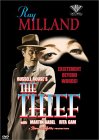
"Film is a visual medium." "Show, don't tell." These cliches have been drilled into our heads over and over. Yet most modern films are bogged down in boring, patronizing exposition. So, does a post-silent film even need dialog? Russell Rouse's 1952 film The Thief is an experiment in exactly how to tell a story using only visual cues and no dialog of any kind. While this film noir isn't perfect, it is a noble attempt and contains some very interesting ideas. The film stars Ray Milland as a Communist spy working during the Cold War to funnel nuclear secrets overseas. An American, Milland's character seems conflicted each time he delivers his latest microfilm package. The film uses a ceaselessly ringing phone to signal Milland but also to haunt him. The image (and sound) of the unanswered phone touches this particular film in several ways. It moves the plot along, it nags like Poe's raven, it hints at the loneliness of the man betraying his own country, it suggests the conversations not being had, both on screen and in the secret lives of the characters, and it leaves questions unasked. Other sounds, like the click of a spy camera or the crumpling of a key piece of paper also become more prominent due to the absence of dialog. That's the difference between a film from the silent era and a film without dialog. A silent film has no choice and many early films were filled with exposition, either on intertitles or through overly obvious acting. The Thief, on the other hand, purposefully leaves out the talking and the effect is greater. When Milland's character falls into a fit of nervous laughter later in the film it's shocking. This is the first time he's made any sound at all and suddenly the tension of his situation becomes amazingly clear. Still, there are certain deficits to the film's approach. Since the plot can't approach the complicated twists and turns of its noir brothers without any dialog, The Thief remains rather simple: Man steals secrets, man has conflicted conscience, drama ensues, the end. Without giving anything away, the ending is not too terribly exciting or rewarding. Still, the atmosphere of the film and the boldness of the approach, plus Milland's fine performance, make The Thief excellent viewing for real film fans. VIDEO:
The full frame black and white video is suprisingly good, although not quite "pristine" as the packaging puts it. There is a sizable amount of dirt on the print but relatively little damage. The image is crisp and clear, with nice contrast that fits the film's dark setting. AUDIO:
The Dolby mono soundtrack is surprisingly bold with a fine, emotional score and subtle audio design. EXTRAS:
There are no extras. FINAL THOUGHTS:
Image has presented this fine, if simple, treatment of The Thief on DVD against all odds. This is the kind of film that one could easily imagine slipping into total obscurity but thankfully it's been resurrected. With an engaging performance at its core and good emotional depth The Thief overcomes some of its shortcomings to become more than just a novelty. It's an excellent look back at its era. E-mail Gil at [email protected]
"Film is a visual medium." "Show, don't tell." These cliches have been drilled into our heads over and over. Yet most modern films are bogged down in boring, patronizing exposition. So, does a post-silent film even need dialog? Russell Rouse's 1952 film The Thief is an experiment in exactly how to tell a story using only visual cues and no dialog of any kind. While this film noir isn't perfect, it is a noble attempt and contains some very interesting ideas. The film stars Ray Milland as a Communist spy working during the Cold War to funnel nuclear secrets overseas. An American, Milland's character seems conflicted each time he delivers his latest microfilm package. The film uses a ceaselessly ringing phone to signal Milland but also to haunt him. The image (and sound) of the unanswered phone touches this particular film in several ways. It moves the plot along, it nags like Poe's raven, it hints at the loneliness of the man betraying his own country, it suggests the conversations not being had, both on screen and in the secret lives of the characters, and it leaves questions unasked. Other sounds, like the click of a spy camera or the crumpling of a key piece of paper also become more prominent due to the absence of dialog. That's the difference between a film from the silent era and a film without dialog. A silent film has no choice and many early films were filled with exposition, either on intertitles or through overly obvious acting. The Thief, on the other hand, purposefully leaves out the talking and the effect is greater. When Milland's character falls into a fit of nervous laughter later in the film it's shocking. This is the first time he's made any sound at all and suddenly the tension of his situation becomes amazingly clear. Still, there are certain deficits to the film's approach. Since the plot can't approach the complicated twists and turns of its noir brothers without any dialog, The Thief remains rather simple: Man steals secrets, man has conflicted conscience, drama ensues, the end. Without giving anything away, the ending is not too terribly exciting or rewarding. Still, the atmosphere of the film and the boldness of the approach, plus Milland's fine performance, make The Thief excellent viewing for real film fans. VIDEO:
The full frame black and white video is suprisingly good, although not quite "pristine" as the packaging puts it. There is a sizable amount of dirt on the print but relatively little damage. The image is crisp and clear, with nice contrast that fits the film's dark setting. AUDIO:
The Dolby mono soundtrack is surprisingly bold with a fine, emotional score and subtle audio design. EXTRAS:
There are no extras. FINAL THOUGHTS:
Image has presented this fine, if simple, treatment of The Thief on DVD against all odds. This is the kind of film that one could easily imagine slipping into total obscurity but thankfully it's been resurrected. With an engaging performance at its core and good emotional depth The Thief overcomes some of its shortcomings to become more than just a novelty. It's an excellent look back at its era. E-mail Gil at [email protected]
|



| Popular Reviews |
| Sponsored Links |
|
|
| Sponsored Links |
|
|
| Release List | Reviews | Shop | Newsletter | Forum | DVD Giveaways | Blu-Ray | Advertise |
|
Copyright 2024 DVDTalk.com All Rights Reserved. Legal Info, Privacy Policy, Terms of Use,
Manage Preferences,
Your Privacy Choices 
| |||||||