
| Reviews & Columns |
|
Reviews DVD TV on DVD Blu-ray 4K UHD International DVDs In Theaters Reviews by Studio Video Games Features Collector Series DVDs Easter Egg Database Interviews DVD Talk Radio Feature Articles Columns Anime Talk DVD Savant Horror DVDs The M.O.D. Squad Art House HD Talk Silent DVD
|
 DVD Talk Forum |
|
|
| Resources |
|
DVD Price Search Customer Service #'s RCE Info Links |
|
Columns
  


 
|
|
|
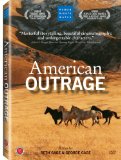
American Outrage
This engaging, illuminating, but ultimately depressing film by Beth and George Gage chronicles the struggles of the Western Shoshone Nation in general, and the Dann sisters in particular, against the impenetrable force that is the United States government.
American Outrage asserts that, beginning in the 1960s, the US Government began seeking ways to seize Native American land in Nevada to pave the way for the sale of private mining rights there. In the course of pursuing this goal, the Bureau of Land Management ran afoul of Carrie and Mary Dann, Shoshone sisters and ranchers whose livestock grazed in places that made the BLM uncomfortable. A series of bureaucratic clashes led to the USA suing the Danns for trespassing on public land. This documentary focuses on the decades-long fallout of that lawsuit, which stretches over the last 25 years and continues to this day.
The relationship between the Western Shoshone people and the federal government is a tense one, fueled by centuries of mistrust and the continual erosion of native cultures. According to the 1863 Treaty of Ruby Valley, the Shoshones agreed to allow the federal government safe passage across their land during the highpoint of the Civil War; the agreement helped the Union expedite the war effort by opening a quick route to the California gold fields. In a weird twist of irony, it was one hundred years later that corporate mining interests appealed to the government for access to the gold fields that lay beneath Shoshone land, so that they could extract the precious metal via cyanidation. This wasteful, toxic process virtually kills the land, leaving enormous, uncultivatable, mountain-sized tailings.
The Dann sisters spent decades standing for Shoshone sovereignty against all odds, in the face of opposition that held all the cards, all the force, and the authority of the United States court system, the Bureau of Land Management, and the Department of the Interior. Their fight to retain ownership of the land their family had lived on for countless generations led to a finding by the United Nations that the US had acted in poor faith with regard to their treatment of the Western Shoshone and urged the US to immediately open dialogues with them on the matter of land rights.
While American Outrage effectively introduces viewers to what is almost certainly an unjust situation, it leaves some very large unanswered questions. Do the experiences of the Danns and the Western Shoshone have any similarity to those of other native peoples? Is this part of a larger US policy to encroach upon native lands? The film does not place the Danns' story in the context of contemporary native societies, US policy, corporate influence peddling, or upon any other larger narrative stage. This is not to say that the Danns' plight is unworthy of documentation, but the filmmakers seem to have bypassed an opportunity to give their subjects the extra weight they deserve.
There is ample footage of the Dann sisters working their ranch, conducting household chores, and visiting family and friends. There is also good, informative interview footage with them, their lead lawyer, and others associated with the Danns' fight. The choice to incorporate music by Iroquois singer and songwriter Joanne Shenandoah was not a good one; her music sounds very dated, with silly lyrics that undercut the power of the Dann sisters' story.
The DVD
The Video
The documentary appears to have been shot on video, and the image is presented full-screen. Given the project's low budget and local focus, the quality here is acceptable but not particularly strong. Muddy blacks and odd bits of noise crop up now and then.
The Sound
A simple, clear 2.0 stereo soundtrack is provided. Again, this is not a film that relies upon technical presentation for its power; the track is adequate.
The Extras
A short coda entitled Crisis at Mt. Tenabo is included, running 6 minutes. It focuses on the protest against a planned chemical bomb test upon Shoshone land, which was mentioned briefly in the feature. (The test was cancelled.)
Final Thoughts
A worthy film that tackles a subject that ultimately embraces the whole history and foundation of the United States, American Outrage is valuable as an introduction to the fact that the struggles and injustices faced by Native American peoples are far from being relegated to dusty history books. Unfortunately, the film misses opportunities to place the stirring story of the Dann sisters in relation to other issues among contemporary Native Americans. Still, it's recommended.
|



| Popular Reviews |
| Sponsored Links |
|
|
| Sponsored Links |
|
|
| Release List | Reviews | Shop | Newsletter | Forum | DVD Giveaways | Blu-Ray | Advertise |
|
Copyright 2024 DVDTalk.com All Rights Reserved. Legal Info, Privacy Policy, Terms of Use,
Manage Preferences,
Your Privacy Choices 
| |||||||