
| Reviews & Columns |
|
Reviews DVD TV on DVD Blu-ray 4K UHD International DVDs In Theaters Reviews by Studio Video Games Features Collector Series DVDs Easter Egg Database Interviews DVD Talk Radio Feature Articles Columns Anime Talk DVD Savant Horror DVDs The M.O.D. Squad Art House HD Talk Silent DVD
|
 DVD Talk Forum |
|
|
| Resources |
|
DVD Price Search Customer Service #'s RCE Info Links |
|
Columns
  


 
|
|
|
Vampire Circus
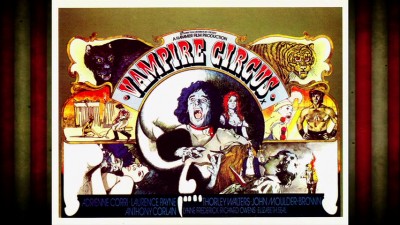
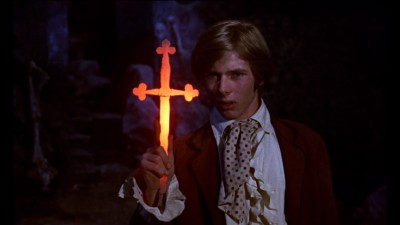
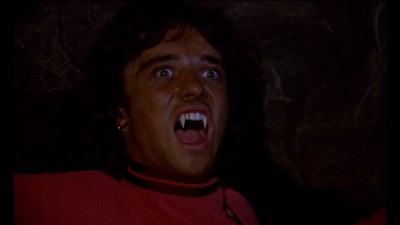
Given the low budget and rushed nature of the production (as I learned through viewing some informative supplemental features) director Robert Young should be commended for pulling everything together as neatly as he did for this type of genre picture. It seems apparent that the ambition of the entire film may have surpassed the pinning's of the story itself but it certainly makes this a more interesting attempt at a vampire story than what I am sometimes accustomed to seeing. The film was made as an early 70's Hammer Horror production and anyone familiar with the output from Hammer should know to expect an interesting horror film if nothing else.
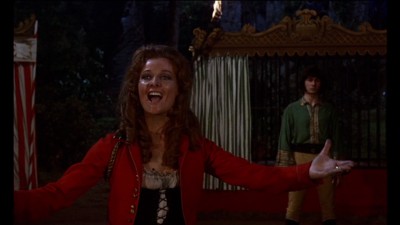
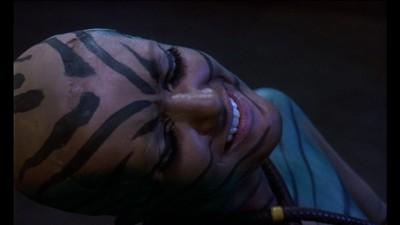
Combining the popular film appeal of vampires and circus thrills into one movie was a good idea even if it ultimately feels more than a little silly if one takes the entire experience too seriously. The greatest strength of the film is it's ability to muster up some genuine chills with a strong atmosphere created through the dark cinematography and the slow build nature of the camera shots, which are often deliberately timed to build suspense in a way that feels right at home for the film. The music by David Whitaker is also appropriately orchestrated to give both an aura of mystery and a edge of action or suspense during the concluding act. One downside is that the special effects are quite dated and don't really hold up as well as I'd have liked. Surprisingly, I was really pleased with the makeup and costume pieces used throughout the film though. There is a scene focused around a nude woman painted with stripes as if she is a wild tiger engaged in an act at the circus that plays as both campy and sexy at the same time.
With this kind of production, half the fun may lie in the intriguing premise alone. This isn't the kind of film that one can really describe as being particularly "good" overall. Vampire Circus is one of those classic B-movies that really feels like one in every imaginable way though. While the story is ludicrous, the direction is decidedly uneven at times, and the acting is sometimes stiff or overly dramatic the film manages to still be a compelling experience that entertains and leaves something to chew on (pun intended) more than some films can ever muster regardless of genre conventions.
The Blu-ray:
Video:
Vampire Circus is presented on Blu-ray with a 1080p High Definition AVC encoded transfer that retains the original 1.66.1 aspect ratio (which leaves small black bars on the sides of the screen). The film looks reasonably pleasing for a low budget 1972 production. The colors are definitely improved over the DVD edition despite the somewhat subdued cinematography. The picture is also moderately sharp, all things considered. Black levels are decent but never as impressive as some video enthusiasts may expect. Given the age and likely problematic nature of putting out a high quality release of this film it looks impressive. Grain is moderately visible and retained. The biggest downside is ultimately the print damage and scratches that are occasionally noticeable. Early in the film, a few scenes display small yellow print damage that is particularly distracting and detracted a bit from the overall experience (this kind of damage actually worried me about my plasma television, which I initially feared as the source). If one can overlook the sometimes distracting print damage this is certainly an acceptable transfer.
Audio:
Sometimes it becomes aggravating to have to say this to fans, but keep those expectations in check: this won't blow you or your subwoofer away. Vampire Circus has an incredibly dated sound mix that reflects the time in which the film was made. It doesn't offer much in the way of impressive dynamics. Most of the film relies heavily on the center speaker for reproduction of dialogue. Music gets a decent boost with the left and right speakers, as do the occasional sound effects. The film has a lossless 2.0 DTS-HD Master Audio track that seems to be a minor but appreciable upgrade over the DVD edition. A lossless audio Music and Effects Only track is also provided and would be a worthy listen for fans of the score.
Extras:
Final Thoughts:
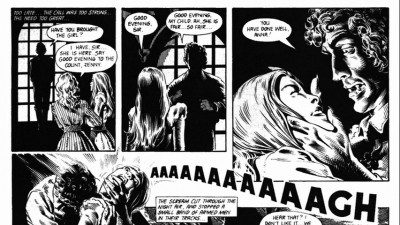
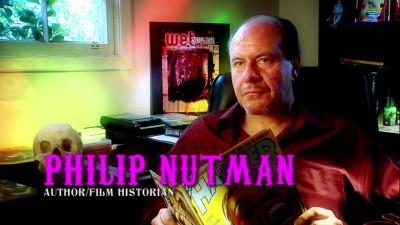
Vampire Circus is a sometimes silly but often enjoyable B-movie horror flick with a decent amount of atmosphere that helps to establish this effort as an enjoyable night of entertainment. The included extras are extremely well made and would be educational for Hammer Horror film fans who would like to know more about the studio's history. The PQ/AQ is decent if marred by a few irritating examples of print damage. Fans of the film should consider making a purchase at an acceptable price point. Recommended.
Neil Lumbard is a lifelong fan of cinema. He aspires to make movies and has written two screenplays on spec. He loves writing, and currently does in Texas.
|



| Popular Reviews |
| Sponsored Links |
|
|
| Sponsored Links |
|
|
| Release List | Reviews | Shop | Newsletter | Forum | DVD Giveaways | Blu-Ray | Advertise |
|
Copyright 2024 DVDTalk.com All Rights Reserved. Legal Info, Privacy Policy, Terms of Use,
Manage Preferences,
Your Privacy Choices 
| |||||||