
| Reviews & Columns |
|
Reviews DVD TV on DVD Blu-ray 4K UHD International DVDs In Theaters Reviews by Studio Video Games Features Collector Series DVDs Easter Egg Database Interviews DVD Talk Radio Feature Articles Columns Anime Talk DVD Savant Horror DVDs The M.O.D. Squad Art House HD Talk Silent DVD
|
 DVD Talk Forum |
|
|
| Resources |
|
DVD Price Search Customer Service #'s RCE Info Links |
|
Columns
  



 
|
|
|
Rudolph The Red-Nosed Reindeer
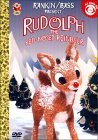
Everyone here has seen Rudolph the Red-Nosed Reindeer (1964), the annual classic film that airs every December. The question is, is it worth paying for something that you can see for free. Since Rudolph is so entertaining and well-done the answer is yes. I watched the film on a balmy April evening for this review and, while it felt a little funny, I was quickly drawn into the story, regardless of the fact that I've already seen it a hundred times. Taking off from the then-recent song of the same title, Rudolph the Red-Nosed Reindeer features all of the key ingredients: The very shiny nose, reindeer games, the foggy Christmas eve, and the triumphant ending with Rudolph going down in history. It also adds a number of new elements, hinting at the sly wit of the film's creators: Herbie the Elf is also a reject from his peer group since, rather than build toys he would like to be a dentist. After his anti-dentite elf boss dresses him down Herbie joins up with Rudolph for a dramatic trek across the northern tundra that introduces them to Yukon Cornelius, the Island of Misfit Toys, and the Bumble, an abominable snowman.
The story obviously goes off on tangents, but the jokes are funny, the songs great, and the lesson - tolerance and understanding - meaningful. There is even a thrillingly suspenseful twist when a sorrowful Rudolph basically sacrifices his life to save his friends. Of course everything works out, the the journey is a great one.
VIDEO:
This is a restored version of the film, but the restoration isn't as dramatic as you might hope. Without some sort of before-and-after comparison it's tough to tell what has been done and some of the elements look a bit rough, but overall the video looks fine. Most of the colors are vibrant. The Rankin-Bass animagic technique creates some excellent images and these characters are the definition of animated.
AUDIO:
The audio is nothing fancy, but it works.
EXTRAS:
The main extra is a lengthy introduction from creator Arthur Rankin. Goes into a good bit of detail discussing the origin of the film and the process by which it was made. He also describes the entire plot in a way that lets you know that he is still excited and moved by the project some 37 years after its original release.
The disc also features a ReadSpeak version of the film that runs the dialog on the screen next to the mouths of the characters. This is more dynamic than subtitles and is supposed to help with "whole word" learning, a relatively new way of learning to read that uses worlds more for their symbolic value than grammatical relevance. I can't vouch for the effectiveness of this method, but it is an interesting extra. This is a separate version of the film and this feature cannot be accessed on the fly from the regular version.
The song "Fame and Fortune", which was used to replace another song in the film for some re-releases is included here as an extra, as is a trivia game.
Additionally a lengthy montage of footage from other children's video releases is included (sadly, not Rankin-Bass' bizarre Mad Monster Party). Most of the programs previewed do not match the artistry or cleverness of Rudolph.
FINAL THOUGHTS:
This disc can usually be found pretty cheap and, even though we are currently nowhere near Christmas, it's never an unwelcome viewing experience. If you have kids or fond memories of this film you might as well pick it up at some point. Then you can enjoy the snowy North Pole all year long.
Gil Jawetz is a graphic designer, video director, and t-shirt designer. He lives in Brooklyn.
|



| Popular Reviews |
| Sponsored Links |
|
|
| Sponsored Links |
|
|
| Release List | Reviews | Shop | Newsletter | Forum | DVD Giveaways | Blu-Ray | Advertise |
|
Copyright 2024 DVDTalk.com All Rights Reserved. Legal Info, Privacy Policy, Terms of Use,
Manage Preferences,
Your Privacy Choices 
| |||||||