
| Reviews & Columns |
|
Reviews DVD TV on DVD Blu-ray 4K UHD International DVDs In Theaters Reviews by Studio Video Games Features Collector Series DVDs Easter Egg Database Interviews DVD Talk Radio Feature Articles Columns Anime Talk DVD Savant Horror DVDs The M.O.D. Squad Art House HD Talk Silent DVD
|
 DVD Talk Forum |
|
|
| Resources |
|
DVD Price Search Customer Service #'s RCE Info Links |
|
Columns
  



 
|
|
|
Silver Horde
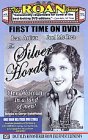
Roan continues to release some fun public domain films that would otherwise languish in film vaults. Their latest release is The Silver Horde, a 1930 action/romance film that has a great cast and a script that is better than the cover copy would lead you to believe. This pre-code film is about salmon fishing in Alaska sounds like a typical melodrama from the 30's but is really quite sophisticated for its time.
Boyd Emerson (Joel McCrea) has gone up to Alaska to make his fortune. He needs to strike it rich so that his rich girlfriend Mildred's father will allow them to marry. Unfortunately Boyd has horrible luck, and as the movie begins he's ready to give up. That's when he meets Cherry Malotte (Evelyn Brent). She not only gives him his confidence back, but arranges for Boyd to get into the salmon business.
George Blat (Louis Wolheim) used to have a profitable salmon canning operation until his competitor, and a rival for Mildred's affections, Fred Marsh (Gavin Gordon) destroyed his factory. With Cherry's help, Boyd secures a loan for more canning equipment and boats and he and George go into business together. Fred doesn't like competition however and isn't about to let his profits slip away. Then there's the fact that both Cherry and Mildred love Boyd. Which one will he choose, the rich sophisticated society woman, or the rough but noble Cherry?
This was an interesting movie, and one that was much better than I was expecting. Many early talkies are static affairs, and though this didn't have a lot of camera movement while people were talking, they did take the camera out of the studio and filmed a good portion of this movie on location. These location shots really add to the appeal of the film. The wide Alaskan terrain and open water make this almost seem like a documentary. Just about all of these exterior shots, along with most of the canning operation shots were filmed silently with the sound dubbed in later, and this technique worked well.
The thing that is so surprising about The Silver Horde is how well the dramatic sections work. There's a lot of action, fishing for salmon and fights on the docks, but the love triangle between Mildred, Cherry, and Boyd is what gives the film heart. Many romantic subplots from this era quickly turn into melodramatic pap, but the excellent acting of Evelyn Brent and the rest of the cast stops that from happening in this picture. You can really feel Cherry's pain when she discovers that if she gets Boyd the loan (by sleeping with a bank officer) he'll be able to marry another woman. Brent plays the scene wonderfully with a subtlety that most people don't associate with actors who came up through silent movies. Brent has a natural ease in front of the camera that allows her to really slip into her role.
The rest of the cast is very talented too. Joel McCrea, the male lead, would go on to become a big western star and you can see why in this film. He plays the tough but sensitive lead here with vigor. He looks good both in a suit and shirtless, and his square chin makes him a natural leading man. This is also the last credited appearance of silent star Blanche Sweet in a movie. She has a small role in the film, and she overacts just a bit, but still turns in a fine performance.
Jean Arthur (Mr. Deeds Goes to Town, Mr. Smith Goes to Washington) plays Mildred, and this thin blond with a squeaky voice was a joy to watch. She not only looked the part of a rich spoiled socialite, but added a light touch to her role but was also good in the serious scenes. The person who was the most interesting to watch though was Louis Wolheim. Best known for his role as the gruff Sergeant in All Quite in the Western Front, in this film he plays a lovable lug who has as much fun fighting as catching fish. He plays the comic relief for most of the film but has a realistic change at the very end. He would unfortunately die a year after this film was made.
Another thing that made this film rise above the usual Hollywood output of the time is the sexual themes. Though everything is done through implication, there's no doubt what is happening when Cherry sleeps with the bank officer, or when she later admits to being a prostitute. This is something that would never have gotten by the censors just a few years later, and it's very refreshing to see a film from the 30's where the characters actually have sex lives.
The DVD:
Audio:
The two channel mono soundtrack is what you'd expect from an early 30's film. There was a fair amount of distortion, some background hiss and the range was fairly limited. Even with these defects the dialog wasn't hard to understand and it didn't ruin the viewing experience.
Video:
This unrestored film from 1930 looks good for what it is. The problem with old programers like this is that the funds to restore them will never become available, so the best that can be hoped for is a nice looking old print. That's what we have here. The contrast is pretty good, and the image is generally clear. The picture is very soft and there are frequent spots and print defects, but the film is still very watchable. Just don't expect a crisp restored image.
Extras:
This movie has a rather wooden and brief introduction by Lou Lumenick, film critic for the New York Post. He points out the stars and gives a bit of their history.
There are also a couple of other bonus items that have nothing to do with the film itself. First off is the first chapter of the serial The Last Frontier starring Lon Chaney Jr. Other extras include a five minute introduction to the movie Patterns by Llyod Kaufman, an interview with Bill Wickler on his father actor Bobby Wickler, and the ever present Radiation March.
Final Thoughts:
A surprisingly good film, this movie has a great cast, nuanced and intelligent script, and some fine directing. The light sexual element (as well as the final fate of one character at the end) was a nice touch that makes this film stand out above many of the other early sound features. Roan has done a great job bringing this pre-code gem to home video at a very good price. While the video and audio quality isn't perfect, it is very acceptable for a film from 1930. Fans of early cinema should make a point of tracking this one down. It gets a strong Recommendation.
|



| Popular Reviews |
| Sponsored Links |
|
|
| Sponsored Links |
|
|
| Release List | Reviews | Shop | Newsletter | Forum | DVD Giveaways | Blu-Ray | Advertise |
|
Copyright 2024 DVDTalk.com All Rights Reserved. Legal Info, Privacy Policy, Terms of Use,
Manage Preferences,
Your Privacy Choices 
| |||||||