
| Reviews & Columns |
|
Reviews DVD TV on DVD Blu-ray 4K UHD International DVDs In Theaters Reviews by Studio Video Games Features Collector Series DVDs Easter Egg Database Interviews DVD Talk Radio Feature Articles Columns Anime Talk DVD Savant Horror DVDs The M.O.D. Squad Art House HD Talk Silent DVD
|
 DVD Talk Forum |
|
|
| Resources |
|
DVD Price Search Customer Service #'s RCE Info Links |
|
Columns

|
|
|
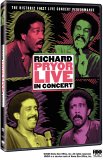
Richard Pryor - Live in Concert
HBO // Unrated // August 1, 2006
List Price: $19.98 [Buy now and save at Amazon]
It would be hard to exaggerate as to just how influential Richard Pryor has been in entertainment, becoming a door opener not only for African Americans in comedy but also the entire field of standup comedy regardless of race. Undeniably Bill Cosby first opened the doors in the sixties, but his brand of storytelling was such that it crossed color lines without stepping on many toes; indeed, Cosby's wit and humor seemingly could have come from any nationality- off-color for the Cos was, well, virtually non-existent. There were others who delved into a comedic field far more bawdy and controversial- Lenny Bruce, Dick Gregory, and Redd Foxx ,for example- but none with the kind of across the board notoriety or recognition that Pryor would acquire.
In his early career Pryor veered towards the kind of 'safe' standup comedy that kept him active but didn't garner fame; disgusted, he took two years away from the business and hung out in Berkeley, studying people in bars, nightclubs, and street corners, delving into the work of Malcolm X and hanging out with like minded African American writers. When he made his return to the standup circuit, his act was something entirely new- his stories were of events and characters from all walks of life no matter how rough or colorful, his language profane, blunt and most importantly true to the talk on the streets at the time. Richard used words dirty, raunchy, nasty that common folk used in every day life but seldom heard used in the entertainment media with any sense of realism. Pryor was someone the underclass could relate to, empathize with, cheer for. He spoke of social issues in a light that most weren't taking to the stage, and because of that his legions of fans grew, his popularity soared.
Because of that popularity Pryor made the transition from simply being a standup comic to being a comedy icon in the 70's, selling records of his acts that topped the charts such as "That Nigger's Crazy", "Is It Something I Said?", "Bicentennial Nigger", and "Wanted, Richard Pryor Live and in Concert". He had his own TV show, "The Richard Pryor Show" in 1977, which was far too controversial for the censors of the day and lasted a mere 5 shows. He won an Emmy award in 1974 as a writer for "The Lily Tomlin Special", was a co-writer with Mel Brooks on Blazing Saddles, and starred or co-starred in the movies Lady Sings The Blues, The Mack, Hit, Uptown Saturday Night, Car Wash, The Bingo Long Traveling All-Stars, Which Way is Up?,Greased Lightning, and Silver Streak with Gene Wilder in the first of four buddy movie comedies they did together. While his personal life was fraught with controversy and scandals the media were quick to publicize, during this 70's period he had yet to self-destruct to the extreme that would come not long after. This was Richard Pryor in his prime.
This is the time period in which he brought to the big screen Richard Pryor - Live In Concert, an HBO Video production that is considered one of his best concert films and his first released to theaters. One would be hard pressed to think of ANY other comedian whose act was so popular as to have a filmed theatrical release at the time.
Here is a list of the disc chapters and essentially a guide to the material in Pryor's act-
1. Opening Credits
2. Entrance/White People
3. Patti Labelle
4. I Killed My Car/The Police
5. Dogs
6. My Monkeys
7. Miniature Horse
8. Heart Attack
9. The Hospital
10. I'd Like to Die Like My Father Died
11. Funerals
12. My Grandmother
13. My Father Was Scary
14. The Great Outdoors
15. Leon Spinks
16. I Got in the Ring With Ali
17. I Used to Box in the Golden Gloves
18. Running
19. Macho Man
20. Swimming
21. Being a Parent
22. Mexicans & The Chinese
23. Making Love/Macho Man Reprise
While in the past I was of the opinion that Pryor's second standup film, "Live At The Sunset Strip" was his funniest of the three, having watched this a few times now after decades of not having seen it I've changed my mind. This version of Pryor is pronouncedly different from the man that shows up 5 years later; he looks and acts younger, is rail thin and appears to be in good condition. This bleeds over into his performance; he seems to command the stage like a boxer in the ring with agile physical impersonations of all manner of creatures as well as characters. While he had already suffered a heart attack, this Rich had yet to go through the trauma of severely burning a good percentage of his body as a result of a freebasing mishap. It shows; his movements are quick, animated and catlike and he appears to be far less troubled than the Pryor who gained mega-stardom in movies after this period. He seemed to feel good onstage.
Clocking in at 78 minutes, there is virtually nothing here in regards to politics, just Richard Pryor talking at length about the everyday craziness his mind seems to recognize in ways others would never dream of. With only a few exceptions the material doesn't come across as dated at all; only his Ali/Leon Spinks routine and a reference to Andrew Young put the viewer in the 70's here. During the course of the act he assimilates, among others, the personas of spider monkeys, dobermans, malamutes, German shepherds, deer, his grandmother and his father, whites and African Americans alike; Pryor is quick to poke fun at any race or nationality in a good-natured way. He has no problem putting himself in the hot seat, weaving tales that display him in the most ridiculous situations, from shooting his own car to getting whippings from his grandmother as a child. His likability here is undeniable; even when Rich is razzing audience members or telling stories that may not depict him in the best of light, you still feel no animosity towards the man.
What is amazing to this viewer is the number of times Pryor is able to evoke laughter, then sustain it with his audience; while there are sure to be those who disagree, I feel he was at his funniest here, and few comedians have since reached this kind of peak in their career. Bawdy, profane, dirty, filthy, yes, and funny as funny can get in the process. Two other standup films followed, "Richard Pryor Live On The Sunset Strip" and "Richard Pryor Here and Now", both of which are well worth owning but neither have the power of the first. It is debatable as to whether any but a handful of comedians have reached this kind of standup peak on stage, and having it captured on film for generations to come is priceless.
Countless comedians owe a debt to Pryor for the opportunity to bring their own unique brands of humor to the masses, with little regard needing to be given towards censorship; Richard opened that door on a mass level and it has remained mostly open ever since. Likewise they owe the kind of earnings and crossover popularity they are capable of attaining to Rich (and Cos, of course) as well. Eddie Murphy, Sam Kinison, Dave Chappelle and the Wayans brothers, just to name a few, have gotten away with more and made more money doing so because Pryor started doing it a decade and more before.
Video-
Aspect ratio here is 1.33:1 fullscreen; the film shows an occasional bit of print damage and some grain but for the most part this is a very good transfer; sharpness is sufficient, colors are clean, blacks look good and I found little to find fault with, this movie being almost 30 years old.
Audio-
The audio track here is English Dolby Digital 2.0; clear and easy to understand, a fine track for its purpose.
Extras-
No extras.
Final Thoughts-
In my opinion Pryor has never been funnier than this, and thats saying alot. Highly recommended.
In his early career Pryor veered towards the kind of 'safe' standup comedy that kept him active but didn't garner fame; disgusted, he took two years away from the business and hung out in Berkeley, studying people in bars, nightclubs, and street corners, delving into the work of Malcolm X and hanging out with like minded African American writers. When he made his return to the standup circuit, his act was something entirely new- his stories were of events and characters from all walks of life no matter how rough or colorful, his language profane, blunt and most importantly true to the talk on the streets at the time. Richard used words dirty, raunchy, nasty that common folk used in every day life but seldom heard used in the entertainment media with any sense of realism. Pryor was someone the underclass could relate to, empathize with, cheer for. He spoke of social issues in a light that most weren't taking to the stage, and because of that his legions of fans grew, his popularity soared.
Because of that popularity Pryor made the transition from simply being a standup comic to being a comedy icon in the 70's, selling records of his acts that topped the charts such as "That Nigger's Crazy", "Is It Something I Said?", "Bicentennial Nigger", and "Wanted, Richard Pryor Live and in Concert". He had his own TV show, "The Richard Pryor Show" in 1977, which was far too controversial for the censors of the day and lasted a mere 5 shows. He won an Emmy award in 1974 as a writer for "The Lily Tomlin Special", was a co-writer with Mel Brooks on Blazing Saddles, and starred or co-starred in the movies Lady Sings The Blues, The Mack, Hit, Uptown Saturday Night, Car Wash, The Bingo Long Traveling All-Stars, Which Way is Up?,Greased Lightning, and Silver Streak with Gene Wilder in the first of four buddy movie comedies they did together. While his personal life was fraught with controversy and scandals the media were quick to publicize, during this 70's period he had yet to self-destruct to the extreme that would come not long after. This was Richard Pryor in his prime.
This is the time period in which he brought to the big screen Richard Pryor - Live In Concert, an HBO Video production that is considered one of his best concert films and his first released to theaters. One would be hard pressed to think of ANY other comedian whose act was so popular as to have a filmed theatrical release at the time.
Here is a list of the disc chapters and essentially a guide to the material in Pryor's act-
1. Opening Credits
2. Entrance/White People
3. Patti Labelle
4. I Killed My Car/The Police
5. Dogs
6. My Monkeys
7. Miniature Horse
8. Heart Attack
9. The Hospital
10. I'd Like to Die Like My Father Died
11. Funerals
12. My Grandmother
13. My Father Was Scary
14. The Great Outdoors
15. Leon Spinks
16. I Got in the Ring With Ali
17. I Used to Box in the Golden Gloves
18. Running
19. Macho Man
20. Swimming
21. Being a Parent
22. Mexicans & The Chinese
23. Making Love/Macho Man Reprise
While in the past I was of the opinion that Pryor's second standup film, "Live At The Sunset Strip" was his funniest of the three, having watched this a few times now after decades of not having seen it I've changed my mind. This version of Pryor is pronouncedly different from the man that shows up 5 years later; he looks and acts younger, is rail thin and appears to be in good condition. This bleeds over into his performance; he seems to command the stage like a boxer in the ring with agile physical impersonations of all manner of creatures as well as characters. While he had already suffered a heart attack, this Rich had yet to go through the trauma of severely burning a good percentage of his body as a result of a freebasing mishap. It shows; his movements are quick, animated and catlike and he appears to be far less troubled than the Pryor who gained mega-stardom in movies after this period. He seemed to feel good onstage.
Clocking in at 78 minutes, there is virtually nothing here in regards to politics, just Richard Pryor talking at length about the everyday craziness his mind seems to recognize in ways others would never dream of. With only a few exceptions the material doesn't come across as dated at all; only his Ali/Leon Spinks routine and a reference to Andrew Young put the viewer in the 70's here. During the course of the act he assimilates, among others, the personas of spider monkeys, dobermans, malamutes, German shepherds, deer, his grandmother and his father, whites and African Americans alike; Pryor is quick to poke fun at any race or nationality in a good-natured way. He has no problem putting himself in the hot seat, weaving tales that display him in the most ridiculous situations, from shooting his own car to getting whippings from his grandmother as a child. His likability here is undeniable; even when Rich is razzing audience members or telling stories that may not depict him in the best of light, you still feel no animosity towards the man.
What is amazing to this viewer is the number of times Pryor is able to evoke laughter, then sustain it with his audience; while there are sure to be those who disagree, I feel he was at his funniest here, and few comedians have since reached this kind of peak in their career. Bawdy, profane, dirty, filthy, yes, and funny as funny can get in the process. Two other standup films followed, "Richard Pryor Live On The Sunset Strip" and "Richard Pryor Here and Now", both of which are well worth owning but neither have the power of the first. It is debatable as to whether any but a handful of comedians have reached this kind of standup peak on stage, and having it captured on film for generations to come is priceless.
Countless comedians owe a debt to Pryor for the opportunity to bring their own unique brands of humor to the masses, with little regard needing to be given towards censorship; Richard opened that door on a mass level and it has remained mostly open ever since. Likewise they owe the kind of earnings and crossover popularity they are capable of attaining to Rich (and Cos, of course) as well. Eddie Murphy, Sam Kinison, Dave Chappelle and the Wayans brothers, just to name a few, have gotten away with more and made more money doing so because Pryor started doing it a decade and more before.
Video-
Aspect ratio here is 1.33:1 fullscreen; the film shows an occasional bit of print damage and some grain but for the most part this is a very good transfer; sharpness is sufficient, colors are clean, blacks look good and I found little to find fault with, this movie being almost 30 years old.
Audio-
The audio track here is English Dolby Digital 2.0; clear and easy to understand, a fine track for its purpose.
Extras-
No extras.
Final Thoughts-
In my opinion Pryor has never been funnier than this, and thats saying alot. Highly recommended.
|



| Popular Reviews |
| Sponsored Links |
|
|
| Sponsored Links |
|
|
| Release List | Reviews | Shop | Newsletter | Forum | DVD Giveaways | Blu-Ray | Advertise |
|
Copyright 2024 DVDTalk.com All Rights Reserved. Legal Info, Privacy Policy, Terms of Use,
Manage Preferences,
Your Privacy Choices 
| |||||||