
| Reviews & Columns |
|
Reviews DVD TV on DVD Blu-ray 4K UHD International DVDs In Theaters Reviews by Studio Video Games Features Collector Series DVDs Easter Egg Database Interviews DVD Talk Radio Feature Articles Columns Anime Talk DVD Savant Horror DVDs The M.O.D. Squad Art House HD Talk Silent DVD
|
 DVD Talk Forum |
|
|
| Resources |
|
DVD Price Search Customer Service #'s RCE Info Links |
|
Columns
  


 
|
|
|
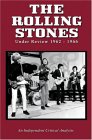
Rolling Stones: Under Review - 1962-1966
Music Video Distributors // Unrated // August 8, 2006
List Price: $19.95 [Buy now and save at Amazon]
A band that has since the late 60's called themselves the greatest rock and roll band in the world, the Rolling Stones are a band almost without peer, selling out tours over forty years after forming, and having never truly disbanded along the way. Taking the low road during the early Merseybeat days of the Beatles, they were a dangerous alternative to the poppy sound that most of the British Invasion groups of the time were employing in an attempt to grab the teen ears of the era. Rather than play it safe, they utilized a blues based rock sound that was to become a part of their signature for decades (and decades!) to come.
The driving heart and soul of the Stones has always been their larger than life, cock of the walk-strutting frontman and singer Mick Jagger and ballsy, blistering guitarist Keith Richards, a duo the likes of Lennon/McCartney in regards to their importance to the band. Meeting first at Dartford Maypole County Primary School, the two drifted apart but years later crossed paths again in 1960 thanks to mutual friend Dick Taylor, who was attending Sidcup Art School with Richards. Jagger was attending the London School Of Economics as well as playing with guitarist Taylor in a band called Little Boy Blue and the Blue Boys. Not long after their reacquiescence Keith joined the group. In the next year Brian Jones came on the scene, having already lived a wild life; dropping out of school, running away to Scandinavia and fathering two illegitimate children by the time he was 16. Playing in Blues, Inc. with Ian Stewart and then band drummer Charlie Watts, Jagger and Richards occasionally played cameos with the group and before long a demo was recorded but rejected by EMI. Taylor left the band to attend the Royal College Of Art, but not before the band took the name the Rolling Stones for themselves, borrowed from a Muddy Waters song.
The Stones played their first gig at the Marquee Club in London in July, 1962 with a lineup consisting of Jagger, Richards, Jones, Stewart, drummer Rick Avery and returning Derek Taylor, who again left and was replaced by Bill Wyman. Avery also departed at this time. The Stones brought in Tony Chapman for a period but were unsatisfied with his sound and recruited their old friend from Blues, Inc. Charlie Watts, who had left when that group's touring schedule became too hectic. Thus the Rolling Stones lineup was for the most part set, and they began an eight month stint at the Crawdaddy Club, where they caught the attention of Andrew Loog Oldham who became their manager. It was he who played up the angle of the band as being irreverent bad boys, an antithesis of the Beatles clean cut cuteness. At Oldham's insistence Stewart was asked to leave the band, though he would still play on their albums and tours until his death in the mid-eighties.
With Oldham as the helm the band signed with Decca Records and in June 1963 cut a cover of the Chuck Berry tune "Come On", sped up to under two minutes in length and becoming a minor hit that the band was somewhat averse to playing at their shows. Late that year they covered the Lennon/McCartney song "I Wanna Be Your Man", which placed in the top 15. In 1964 they recorded Buddy Holly's "Not Fade Away" and made a name for themselves across the ocean in the United States. Playing up an us vs. them rivalry with the Beatles, all number of stories were beginning to appear in the British press about the bad boys on the pop scene, helping the group's popularity gather momentum. In 1964 they cut their first album as well as the tune "It's All Over Now", their first British number one hit, and toured the U.S. to enormous success, also coming up with another hit song,."Little Red Rooster". At this point Oldham began pushing Jagger and Richards to begin composing their own songs in order to make more money for themselves and Oldham's publishing company. Their first original release, "Tell Me (You're Coming Back)", made the U.S. Top Ten and was followed by a slew of others over the next few years- "Time Is On My Side", "Satisfaction", "Get Off My Cloud," "19th Nervous Breakdown," "As Tears Go By," and "Have You Seen Your Mother, Baby, Standing in the Shadow?". Jagger and Richards used their penchant for hard driving bluesy rock and roll to their advantage when penning material for themselves, and the Rolling Stones signature sound became one that bands would emulate for decades to come.
NOTE: Stones fans, feel free to e-mail me on any errors I've made regarding the synopsis given here!
The Rolling Stones Under Review is a 90 minute documentary, reviewing and studying those early formative years of the band. As I have never looked into the history of the Stones, this film was informative, if a bit on the basic side. The period footage used is bleary and muddy, but entertaining enough, following the group through its infancy with pictures and film of early club shows and studio performances; seeing Jagger and Richards looking so incredibly young is entertainment in itself. Touting a number of interesting interviewees, the early story is related rather well. Stones bodyguards, NME and Melody Maker journalists of the times and even original Stones member Derek Taylor sit in, giving relaxed, humorous insights and impressions on his times with the boys. As stated at the beginning, Stones material is reviewed and critiqued by panel members, sometimes with curious results. The recordings one gets to witness here include the Stones performing "Satisfaction", "The Last Time", "Little Red Rooster" and "Come On".
The filmmakers portray much of the archival footage shown here as being rare; whether or not this is accurate I have no idea, but it certainly isn't film I've seen, nor a manner in which I've looked at the Stones before. One problem with 'unauthorized' documentaries like this is the absence of any current band member telling some of their own stories and insights of the period. Material akin to the treatment here has long existed in regards to the Beatles market with an eye on their vast legions of rabid fans, so it stands to reason that the Rolling Stones would become the subject of like minded projects. It's uniqueness in covering such an early period was also part of its drawback for a more average fan such as me; the viewer will likely have a feeling of wanting more Stones history, but with a band as storied as this 90 minutes isn't very long to tell the tale, and it is probable that later material would have been cost prohibitive for the filmmakers.
Video-
Aspect ratio here is 1.33:1 fullscreen. Picture quality here greatly differs; much of the older footage is bleary, soft and pretty much a mess, but still fun to watch considering the subject. Newer interview footage is acceptable, if a bit on the soft side. Of note, this is an NTSC Region 0 disc.
Audio-
Audio track here is English Dolby Digital stereo 2.0; voices are clear and easy to understand, and for the most part the music is well represented. Overall this is a solid track for documentary purposes.
Extras-
Stones Stories- Clocking in at about 6 minutes this is a series of additional reminiscences by some of the contributors to the documentary. A nice little addition to the disc and worth a look.
The Hardest Rolling Stones Quiz in the World Ever- A list of 25 questions on Rolling Stones history, most of which are answered by the documentary itself.
Final Thoughts-
That the Rolling Stones is one of the most influential rock and roll bands in history is indisputable, and Mick and Keith may indeed be correct in their pronouncement of being the best rock and roll band in the world. Getting an opportunity to see them perform at such an early period is fun, and some of the commentary here is intriguing as well. While I think this is something diehard Stones fans should have on their shelves, the average fan will likely want to see something that covers a longer period in their career. I'd recommend that you rent it.
The driving heart and soul of the Stones has always been their larger than life, cock of the walk-strutting frontman and singer Mick Jagger and ballsy, blistering guitarist Keith Richards, a duo the likes of Lennon/McCartney in regards to their importance to the band. Meeting first at Dartford Maypole County Primary School, the two drifted apart but years later crossed paths again in 1960 thanks to mutual friend Dick Taylor, who was attending Sidcup Art School with Richards. Jagger was attending the London School Of Economics as well as playing with guitarist Taylor in a band called Little Boy Blue and the Blue Boys. Not long after their reacquiescence Keith joined the group. In the next year Brian Jones came on the scene, having already lived a wild life; dropping out of school, running away to Scandinavia and fathering two illegitimate children by the time he was 16. Playing in Blues, Inc. with Ian Stewart and then band drummer Charlie Watts, Jagger and Richards occasionally played cameos with the group and before long a demo was recorded but rejected by EMI. Taylor left the band to attend the Royal College Of Art, but not before the band took the name the Rolling Stones for themselves, borrowed from a Muddy Waters song.
The Stones played their first gig at the Marquee Club in London in July, 1962 with a lineup consisting of Jagger, Richards, Jones, Stewart, drummer Rick Avery and returning Derek Taylor, who again left and was replaced by Bill Wyman. Avery also departed at this time. The Stones brought in Tony Chapman for a period but were unsatisfied with his sound and recruited their old friend from Blues, Inc. Charlie Watts, who had left when that group's touring schedule became too hectic. Thus the Rolling Stones lineup was for the most part set, and they began an eight month stint at the Crawdaddy Club, where they caught the attention of Andrew Loog Oldham who became their manager. It was he who played up the angle of the band as being irreverent bad boys, an antithesis of the Beatles clean cut cuteness. At Oldham's insistence Stewart was asked to leave the band, though he would still play on their albums and tours until his death in the mid-eighties.
With Oldham as the helm the band signed with Decca Records and in June 1963 cut a cover of the Chuck Berry tune "Come On", sped up to under two minutes in length and becoming a minor hit that the band was somewhat averse to playing at their shows. Late that year they covered the Lennon/McCartney song "I Wanna Be Your Man", which placed in the top 15. In 1964 they recorded Buddy Holly's "Not Fade Away" and made a name for themselves across the ocean in the United States. Playing up an us vs. them rivalry with the Beatles, all number of stories were beginning to appear in the British press about the bad boys on the pop scene, helping the group's popularity gather momentum. In 1964 they cut their first album as well as the tune "It's All Over Now", their first British number one hit, and toured the U.S. to enormous success, also coming up with another hit song,."Little Red Rooster". At this point Oldham began pushing Jagger and Richards to begin composing their own songs in order to make more money for themselves and Oldham's publishing company. Their first original release, "Tell Me (You're Coming Back)", made the U.S. Top Ten and was followed by a slew of others over the next few years- "Time Is On My Side", "Satisfaction", "Get Off My Cloud," "19th Nervous Breakdown," "As Tears Go By," and "Have You Seen Your Mother, Baby, Standing in the Shadow?". Jagger and Richards used their penchant for hard driving bluesy rock and roll to their advantage when penning material for themselves, and the Rolling Stones signature sound became one that bands would emulate for decades to come.
NOTE: Stones fans, feel free to e-mail me on any errors I've made regarding the synopsis given here!
The Rolling Stones Under Review is a 90 minute documentary, reviewing and studying those early formative years of the band. As I have never looked into the history of the Stones, this film was informative, if a bit on the basic side. The period footage used is bleary and muddy, but entertaining enough, following the group through its infancy with pictures and film of early club shows and studio performances; seeing Jagger and Richards looking so incredibly young is entertainment in itself. Touting a number of interesting interviewees, the early story is related rather well. Stones bodyguards, NME and Melody Maker journalists of the times and even original Stones member Derek Taylor sit in, giving relaxed, humorous insights and impressions on his times with the boys. As stated at the beginning, Stones material is reviewed and critiqued by panel members, sometimes with curious results. The recordings one gets to witness here include the Stones performing "Satisfaction", "The Last Time", "Little Red Rooster" and "Come On".
The filmmakers portray much of the archival footage shown here as being rare; whether or not this is accurate I have no idea, but it certainly isn't film I've seen, nor a manner in which I've looked at the Stones before. One problem with 'unauthorized' documentaries like this is the absence of any current band member telling some of their own stories and insights of the period. Material akin to the treatment here has long existed in regards to the Beatles market with an eye on their vast legions of rabid fans, so it stands to reason that the Rolling Stones would become the subject of like minded projects. It's uniqueness in covering such an early period was also part of its drawback for a more average fan such as me; the viewer will likely have a feeling of wanting more Stones history, but with a band as storied as this 90 minutes isn't very long to tell the tale, and it is probable that later material would have been cost prohibitive for the filmmakers.
Video-
Aspect ratio here is 1.33:1 fullscreen. Picture quality here greatly differs; much of the older footage is bleary, soft and pretty much a mess, but still fun to watch considering the subject. Newer interview footage is acceptable, if a bit on the soft side. Of note, this is an NTSC Region 0 disc.
Audio-
Audio track here is English Dolby Digital stereo 2.0; voices are clear and easy to understand, and for the most part the music is well represented. Overall this is a solid track for documentary purposes.
Extras-
Stones Stories- Clocking in at about 6 minutes this is a series of additional reminiscences by some of the contributors to the documentary. A nice little addition to the disc and worth a look.
The Hardest Rolling Stones Quiz in the World Ever- A list of 25 questions on Rolling Stones history, most of which are answered by the documentary itself.
Final Thoughts-
That the Rolling Stones is one of the most influential rock and roll bands in history is indisputable, and Mick and Keith may indeed be correct in their pronouncement of being the best rock and roll band in the world. Getting an opportunity to see them perform at such an early period is fun, and some of the commentary here is intriguing as well. While I think this is something diehard Stones fans should have on their shelves, the average fan will likely want to see something that covers a longer period in their career. I'd recommend that you rent it.
|



| Popular Reviews |
| Sponsored Links |
|
|
| Sponsored Links |
|
|
| Release List | Reviews | Shop | Newsletter | Forum | DVD Giveaways | Blu-Ray | Advertise |
|
Copyright 2024 DVDTalk.com All Rights Reserved. Legal Info, Privacy Policy, Terms of Use,
Manage Preferences,
Your Privacy Choices 
| |||||||