
| Reviews & Columns |
|
Reviews DVD TV on DVD Blu-ray 4K UHD International DVDs In Theaters Reviews by Studio Video Games Features Collector Series DVDs Easter Egg Database Interviews DVD Talk Radio Feature Articles Columns Anime Talk DVD Savant Horror DVDs The M.O.D. Squad Art House HD Talk Silent DVD
|
 DVD Talk Forum |
|
|
| Resources |
|
DVD Price Search Customer Service #'s RCE Info Links |
|
Columns
  



 
|
|
|
Agony and the Ecstasy of Phil Spector, The
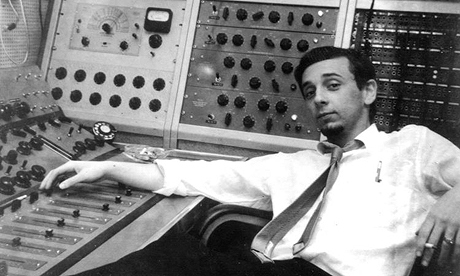
In 2009, Phil Spector was convicted of murdering Lana Clarkson at his home six years earlier. He was found guilty at a second trial after the first ended in a hung jury. Evidence was difficult to analyze and Spector's guilt was not easy to assign. The Agony and the Ecstasy of Phil Spector is a film by Vikram Jayanti built upon unprecedented access to the reclusive pop music producer during the days and weeks leading up to his first trial. Jayanti allows Spector to speak for himself - and captures him in all his tarnished, self-aggrandizing, twitchy, fact-challenged glory. Spector comes off as brilliant, creepy, vainglorious, defensive, and lucid. Jayanti's film treats Spector honestly, uninterested in glorifying or vilifying this hugely influential and physically tiny legend of pop culture - and poster boy for the seamy underbelly of the entertainment business.
Jayanti's film has four elements, which are carefully layered to maximize context. First there is the core of the film, consisting of interview footage with Spector, shot in 2007. Then there are about two dozen of Spector's biggest songs, which are heard in full on the soundtrack, sometimes at the front of the mix, and sometimes beneath either Spector's voice or excerpts from Spector's first trial - excerpts that comprise the film's third element. Lastly, there are text quotations from Mick Brown's definitive biography of Spector, Tearing Down the Wall of Sound, which are utilized to illuminate the significance and impact of Spector's major songs.
At times, the structure can get a bit cluttered, but Jayanti's goal, while seemingly simple, is a multifaceted and difficult one. Jayanti avoids overt editorializing, allowing Spector's bizarre self-image to remain front-and-center. Occasional editorial flourishes - particularly in the juxtaposition of Spector's songs with trial footage - lend a certain bite to the proceedings, but these are few. For the most part, Jayanti is only interested in Spector himself.
A towering figure in the history of pop music, Spector had spent over two decades out of the public eye, living more or less alone in a gigantic mansion, before Lana Clarkson was killed there. But he was always eccentric, to say the least. In the documentary, Spector regularly compares himself to Galileo, Michelangelo, Alfred Hitchcock, and Leonardo da Vinci. He disses Brian Wilson and Bob Dylan. He also discusses the assassination of close friend John Lennon as if it were a rational, logical event.
Jayanti's use of Spector's music on the soundtrack helps illuminate Spector as a creative personality and as someone with a dark inner life. While it is a familiar trope to discuss creativity born of pain or suffering or joy, Spector's songs here resonate with something close to madness, and more than a hint of Spector's demons. There is joy, too, but the songs that are joyful don't seem to come from experiences of joy, but rather desperate dreams of it.
The Agony and the Ecstasy of Phil Spector is in limited theatrical release in the United States. Director Vikram Jayanti has assembled a portrait on film that goes a step or two beyond other "tortured genius" stories. By arranged Spector's words in a context that relates to his groundbreaking music, the film provides us with a deep-set way into Spector's mind. Beyond Lana Clarkson's tragic murder, it's his self-loathing and capacity for delusion that disturb us.
|



| Popular Reviews |
| Sponsored Links |
|
|
| Sponsored Links |
|
|
| Release List | Reviews | Shop | Newsletter | Forum | DVD Giveaways | Blu-Ray | Advertise |
|
Copyright 2024 DVDTalk.com All Rights Reserved. Legal Info, Privacy Policy, Terms of Use,
Manage Preferences,
Your Privacy Choices 
| |||||||