
| Reviews & Columns |
|
Reviews DVD TV on DVD Blu-ray 4K UHD International DVDs In Theaters Reviews by Studio Video Games Features Collector Series DVDs Easter Egg Database Interviews DVD Talk Radio Feature Articles Columns Anime Talk DVD Savant Horror DVDs The M.O.D. Squad Art House HD Talk Silent DVD
|
 DVD Talk Forum |
|
|
| Resources |
|
DVD Price Search Customer Service #'s RCE Info Links |
|
Columns


|
|
|
Mary Pickford: Muse of the Movies
Cinemaplay Entertainment // Unrated // June 19, 2012
List Price: $19.95 [Buy now and save at Amazon]
The Movie:
Though many film fans would be hard pressed to name one of her movies today, there was a time when Mary Pickford was the highest paid actress in the world, as well as one of the most beloved screen personalities. An outstanding actress and an equally astute businesswoman, she's the focus of Nicholas Eliopoulos' enjoyable documentary Mary Pickford: The Muse of the Movies. Tracing her career from the earliest days of film to the absolute pinnacle of stardom and beyond, this documentary is a great crash course in what Mary did both in front of and behind the camera.
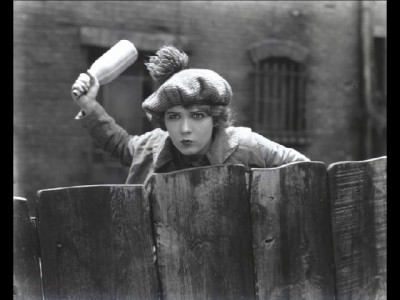
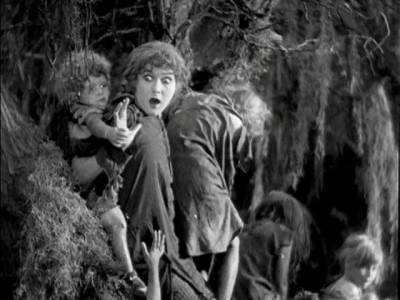
Born Gladys Marie Smith in 1892, the future star took to the stage out of necessity to help feed her two siblings (Jack and Lottie, also actors) and mother. She achieved some success treading the boards, and even appeared on Broadway, but a summer lull forced her to seek employment in the disreputable 'flickers.' Movies were still a new medium, mainly frequented by immigrants and the lower classes, and people who appeared in them were definitely looked down upon by those on the 'legitimate stage.' At the age of 15 Mary applied for a job at Biograph Studios and was flat-out rejected. On her way out she bumped into a tall man and let loose with her rage at being rejected by an institution that she considered beneath her. She complained about the poor quality of the movies being released. He replied that the medium was just in its infancy, and just as live theater was once disreputable, film would mature and grow. That man was director D. W. Griffith and he sold her on the idea of a film career. He hired her at $5 a day.
Soon she was known as the "Biograph Girl." Actors weren't given credits in those days, the producers were afraid of creating a star system where the more popular actors would charge exorbitant fees to appear in movies. (If they could only see what stars are getting today!) Even without knowing her name Mary was a star and was frequently stopped on the street. Eventually her name was put in the credits, and she went from bigger to bigger roles. It wasn't too long before she traveled to the orange groves of California and the small town of Hollywood to continue her career.
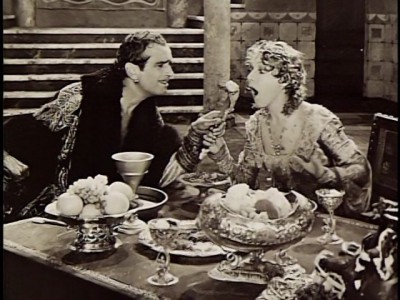
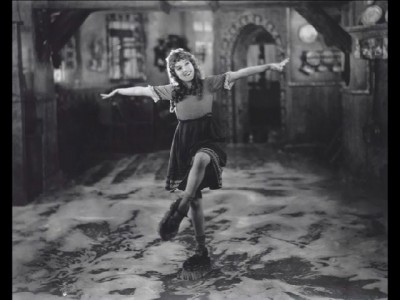
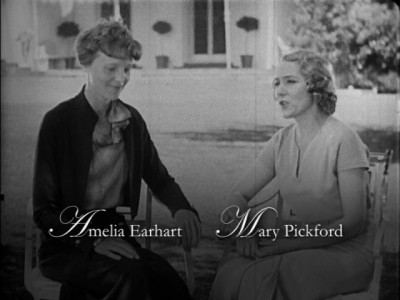
By the teens Mary's popularity had soared. She was the first actress to get her name in lights on a marquee and the first to earn a million dollars in a year. She was the biggest actress in the world when she married one of the biggest actors, Douglas Fairbanks, and moved to their castle: Pickfair a one-time hunting lodge that they expanded. There the pair held court and entertained the crème de la crème of society from Hollywood's elite to politicians and other notables such as Amelia Earhart and Albert Einstein. There has never been a star who totally captured the country's and the world's imagination like Mary Pickford, and it's likely that there never will be one again.
There were a couple of things I liked about this documentary. They didn't just concentrate on her acting, which would have been easy to do, but also spent time on the business side of her life. She was an astute businesswoman and that's often forgotten. She was one of the first women to become an independent producer of movies, one of the highest paid people in the country for years, as well as creating United Artist along with Fairbanks, Chaplin, and Griffith. And she did all when she couldn't vote.
This documentary also relies heavily on primary sources, that is Mary herself and people who actually knew her. The director had access to Kevin Brownlow's taped interviews with Mary Pickford that he conducted when he was writing his seminal book, The Parade's Gone By, as well as other interviews she's done over the years. In addition he had access to her last husband, Buddy Rogers as well as a wealth of interviews with her friends such as Lillian Gish. This direct information is wonderful and it's great to hear the people who knew and loved the star talk about her.
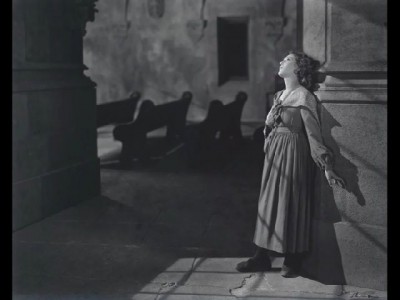
That's not to say the movie is perfect. It does gloss over her early vaudeville years, which I've always felt was formidable in shaping the woman she became. She was the bread-winner for her family since she was a little girl, and that pressure and feeling of responsibility helped make her into the astute businesswoman that she became. She was always worried about providing for her mother and siblings and she wanted to make sure that she had the money to do that, even if her career tanked.
The film doesn't talk much about her later years, or the relationship (or lack thereof) that she had with her two adopted children (though her daughter, Roxanne, is featured in some interview clips). While I wasn't hoping for a hatchet job, a fair coverage of some of the star faults would have made the documentary more complete.
The DVD:
This 101-minute documentary comes on a single DVD in a standard keepcase.
Audio:
The stereo soundtrack is fine, and fits the subject matter. There really isn't any need for multi-channel sound since much of the film is made up of recordings (audio and video) of Mary Pickford and her friends discussing her life. The vintage tapes have been cleaned up and sound nice, though fidelity is naturally limited by the source material.
Video:
The full frame image is what you'd expect from a documentary on a silent film star. The vintage clips of Pickford's films are generally very good, but are showing their age, while some of the stills and the more recent interviews are clean and clear.
Extras:
The disc offers some nice bonus material. There are short text biographies of the people who played a large part in Mary's life as well as a short reel of still photos. In addition there are two interviews with director Nicholas Eliopoulos; one from the Toronto Film Festival and the other, audio only, from an NPR interview. Both run about 15 minutes.
The one thing I really wish they had included was a Pickford short. They're in the public domain now and it would have been great for people who aren't familiar with her work to see her in her element, acting before the camera.
Final Thoughts:
This is a very nice overview of one of the brightest stars from the early days of cinema. She literally grew up with the movies, starting out at the age of 15 when one-reelers were still the norm and growing with the medium until she retired after sound came onto the scene. With ample interviews from Mary and people who knew her, this is a good place to start for someone who wants to learn more about this important actress, filmmaker, and businesswoman. It gets a strong recommendation.
|



| Popular Reviews |
| Sponsored Links |
|
|
| Sponsored Links |
|
|
| Release List | Reviews | Shop | Newsletter | Forum | DVD Giveaways | Blu-Ray | Advertise |
|
Copyright 2024 DVDTalk.com All Rights Reserved. Legal Info, Privacy Policy, Terms of Use,
Manage Preferences,
Your Privacy Choices 
| |||||||