
| Reviews & Columns |
|
Reviews DVD TV on DVD Blu-ray 4K UHD International DVDs In Theaters Reviews by Studio Video Games Features Collector Series DVDs Easter Egg Database Interviews DVD Talk Radio Feature Articles Columns Anime Talk DVD Savant Horror DVDs The M.O.D. Squad Art House HD Talk Silent DVD
|
 DVD Talk Forum |
|
|
| Resources |
|
DVD Price Search Customer Service #'s RCE Info Links |
|
Columns

|
|
|
With Great Power: The Stan Lee Story
MPI Home Video // Unrated // November 6, 2012
List Price: $24.98 [Buy now and save at Amazon]
The Movie:
Stan Lee has been a hero of mine for as long as I could remember. When I was growing up in the late 60's I loved comic books and though I'd read anything I could get my hands on, I had a strong preference to Marvel books over DC comics. Marvel has awesome characters, larger than life situations, and some incredible art work. I don't exactly remember when I noticed it, but early on I discovered that my very favorite books, Fantastic Four, Tales of Suspense (featuring Iron Man and Captain America) and Tales to Astonish (with the Incredible Hulk and Sub-mariner) were all written by the same guy: Stan Lee. I've been a fan ever since.
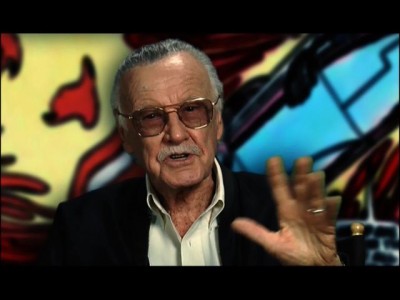
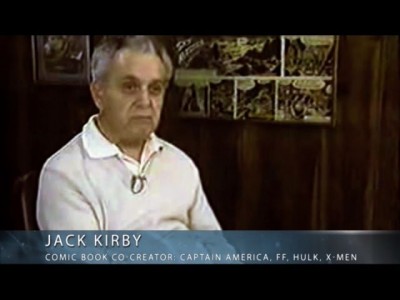
The man the world knows as Stan Lee was born Stanley Martin Lieber in 1922, three days after Christmas. When the Great Depression came his family had a very hard time making ends meet, and money was a constant worry. The young, enterprising Stanley, who wanted to be an actor, took any paying job he could get, including working as an assistant-editor at Timely comics alongside legendary comic creators Joe Simon and Jack Kirby (the creators of Captain
During the sixties he supervised Marvel while they revolutionized comic books and super-heroes. While DC's formula for comic heroes had not changed significantly since the 30's (though it had evolved) Marvel updated comics. The characters in Marvel's books were more natural. It wasn't just the costumed hero who got the attention, but the person inside the costume was just as important, if not more so. The Fantastic Four didn't have secret identities; they wanted everyone to know who they were. Spider-man was a hero, but he couldn't get a date and was constantly bullied. Marvel comics were timely (no pun intended) too dealing with issues such as prejudice and even drug use. And Stan Lee was the man who wrote them.
While I was very much looking forward to this documentary on my childhood hero, I walked away generally disappointed. The film is a bit of a jumble, and it seems that the directors (maybe that's the problem...) never really had a firm grasp of how to tell Stan's story. It's arranged chronologically most of the time, but they jump around quite a bit. For example, the heyday of the Marvel Bullpen (the late 60's) is discussed before they discuss the influence of Dr. Fredric Wertham and Senate hearings into the link between juvenile delinquency and comic books (1954) when the Bullpen really didn't exist.
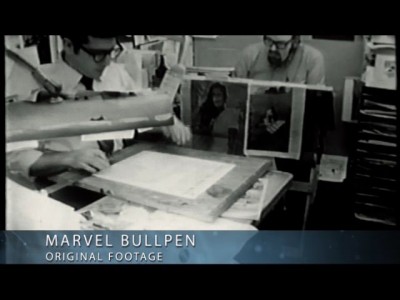
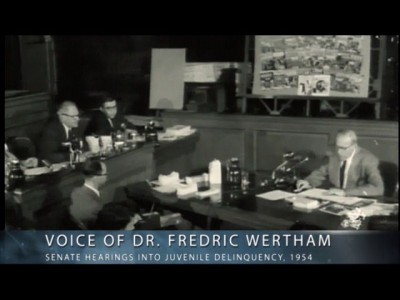
What's worse than the organization is the fact that the documentary glosses over a lot of the more controversial parts of Stan Lee's career. Viewers whose only knowledge of comic history came from this film would assume that Stan Lee and comic artist Jack Kirby were always the best of friends when that's not really the case. They also barely mention groundbreaking artist Steve Ditko's abrupt departure from Marvel, an event that's still shrouded in mystery.
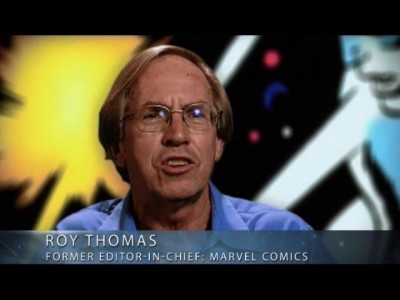
There are several notable comic creators, historians, along with directors and actors who have worked on Marvel films who sign Stan Lee's well deserved praises. But it seems a bit too much. After the 4th or 5th person says that he's a ground-braking innovator, we get the point. And then there's Paris Hilton who says that... aw, who really cares what Paris Hilton has to say?? There aren't any dissenters either. No one ever says "Stan didn't give enough credit to the artists." I'm not saying that's the case, but it is a topic that should be addressed.
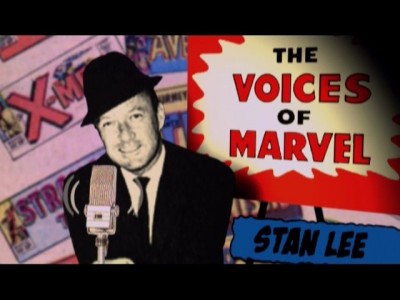
Granted with an 80-minute film there isn't time to cover everything, but did we really need to see Stan at the red carpet premiers of various Marvel movies?
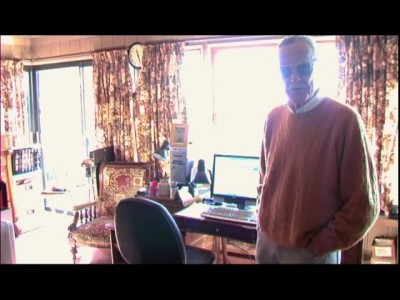
The camera work for the talking-head interviews is fine, but when they get out of the controlled studio things aren't as slick. At one point they film Stan who walks in front of an open window with bright light coming through and it ruins the shot. But this part isn't edited out. That, along with the copious glowing testimonials from (in many cases) people who never worked with or knew Stan Lee, makes this movie seem more like a fan-boy's love letter rather than a serious documentary.
The DVD:
Audio:
The Dolby Digital stereo soundtrack isn't going to impress Klaw ("The Murderous Master of Sound" Natch!) but it suits this documentary well. The dialog is always clear and there aren't any defects worth noting.
Video:
Unfortunately, the video is a mess, due to the nonanamorphic 1.78:1 image. Yes, you read that correctly. In this day when all of the TV manufacturers have migrated to widescreen panels, they released this documentary with a nonanamorphic image. What that means is that on your 16X9 screen the image will only appear inside a 4X3 box in the center, the way old TV shows appear. Inside that box you'll get a 1.78:1 image, with the top and bottom of the image black. In this day and age, that's totally unacceptable.
Extras:
While the video image is rotten, there are a lot of extras included. Most of it is from interviews that ended up on the cutting room floor, but there are also clips from public appearances that Stan Lee has made in the last few years. Unfortunately, many of these are edited, like his appearance with Joe Quesada and Kevin Smith at UCLA. I would have liked to see the whole thing, personally. A nothing disappointment is that the vintage interviews that appear as only brief snippets in the movie are not included here.
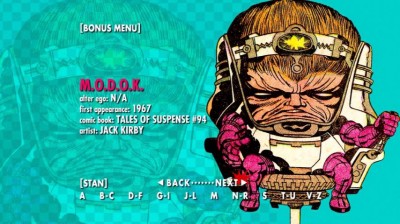
There's also a listing of hundreds of characters that Stan has co-created over the years. Each character gets a single page that consists of an image of the hero or villain, along with their first appearance year and comic issue along with the artist who first drew them. I'm not sure why they included this since it's hard to navigate (each page takes a second to load and, as I said, there are hundreds) and it's not very informative. A bio or even a list of that character's major appearances would have made these more interesting.
Final Thoughts:
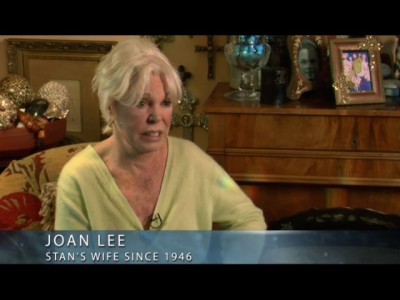
If you're looking for a definitive biography of the creator of such heroes as Thor and Iron Man, you'll need to keep looking. This is a rather disjointed documentary that only glosses over Stan Lee's incredibly impressive career. The worst offense, however, is that this movie was shot in widescreen but is presented in a non-anamorphic 1.33:1 ratio. I would have been disappointed in that a decade ago, but now it's just unacceptable. While some of the vintage footage is excellent, and it is great seeing Stan's wife and her take on her husband, Stan deserves better than this. Makethis one is a rental at best.
|



| Popular Reviews |
| Sponsored Links |
|
|
| Sponsored Links |
|
|
| Release List | Reviews | Shop | Newsletter | Forum | DVD Giveaways | Blu-Ray | Advertise |
|
Copyright 2024 DVDTalk.com All Rights Reserved. Legal Info, Privacy Policy, Terms of Use,
Manage Preferences,
Your Privacy Choices 
| |||||||