
| Reviews & Columns |
|
Reviews DVD TV on DVD Blu-ray 4K UHD International DVDs In Theaters Reviews by Studio Video Games Features Collector Series DVDs Easter Egg Database Interviews DVD Talk Radio Feature Articles Columns Anime Talk DVD Savant Horror DVDs The M.O.D. Squad Art House HD Talk Silent DVD
|
 DVD Talk Forum |
|
|
| Resources |
|
DVD Price Search Customer Service #'s RCE Info Links |
|
Columns
  


 
|
|
|
In Search Of... The Complete Series
Visual Entertainment // Unrated // December 11, 2012
List Price: $149.99 [Buy now and save at Myshopify]
"This series presents information based in part on theory and conjecture. The producer's purpose is to suggest some possible explanations, but not necessarily the only ones, to the mysteries we will examine." - spoken at the conclusion of the opening sequence for every episode
The Show:
Ahh, 1976. TheUnited States
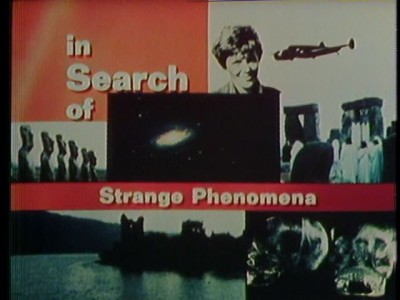
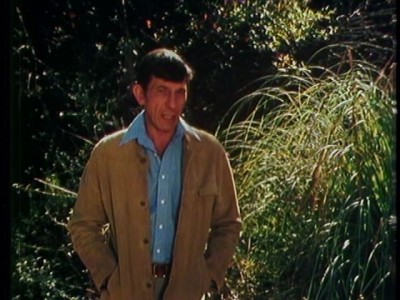
I was a middle school student at the time and a huge Star Trek fan, so when I heard that Leonard Nimoy was going to be hosting a show that investigates unexplained phenomenon, I was excited. I still remember watching the very first episode and catching as many of the others that I could. No, I wasn't taken in even at the wise age of 12 by everything theory that the show touted, but it was a lot of fun wondering what if. It also opened my eyes to a lot of history and information that I hadn't previously been exposed to, which was a good thing. The show has continued to air, sporadically, on independent stations and cable channels ever since it first debuted, and now it's finally available on DVD, thanks to Visual Entertainment Inc. They've released the entire six season of the show, the 2002 remake series, as well at the two original Rod Serling TV specials in a very attractive 21-disc set. That's 146 total episodes which run over 55 hours. It's enough to keep fans of the unexplained happy for a very long time.
The series is hosted by Leonard Nimoy and over the course of the show they look at just about every strange phenomena, paranormal event, supernatural happening, pseudoscientific theory, urban-legend, and modern-day myths that you can imagine. Everything from the abominable snowman to witch doctors and everything in between is touched upon.
It's this wide variety of topics that makes the show so much fun. Have trouble swallowing Animal ESP? Don't worry, the next one will be about something else, maybe the gigantic explosion near theTunguska River in Russia
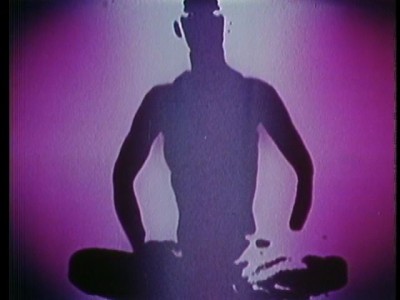
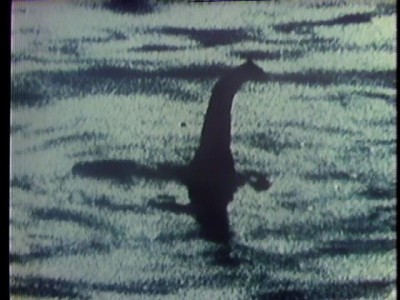
Most of the shows, especially in the earlier seasons, are devoted to more common pseudoscience beliefs: ESP, Atlantis, ghosts, UFOs, and Bigfoot all make early appearances. These shows rely on a lot of conjecture and leaps of logic, but that's a lot of the program's lure: throwing rigor out the window and thinking "but what if they're right??" One of my favorite tactics that the show employs is to ask viewers to accept an unproven supposition and then make a small intellectual leap from there: "If Bigfoot does exist, isn't it possible that the creature is migratory and doesn't stay in one place for very long?" They're careful not to actually state that Bigfoot exists. They let the viewers jump to that conclusion themselves. It's a nice way to lead people to a conclusion.
The one thing I honestly appreciated was seeing the "investigators" who research the various topics that are examined. These people were all very devoted and passionate about their fields. That doesn't mean that their conclusions have any more bearing on reality than someone who isn't obsessed, but the people watching for the Loch Ness Monster or hunting ghosts did have an infectious love for their oddball area of expertise. Getting to know some of these researchers is one of the reasons In Search of... is so enjoyable to watch.
The show doesn't always take to side of the unusual or supernatural either, something I had totally forgotten from watching it when it first aired. It's pretty rare, but occasionally they'll opt for a more rational explanation that doesn't involve something outside of the realm of science. The best example of this comes from the third season, when they did a show on very recent (at the time) disappearances of large private ships in the Bermuda Triangle. They related a few stories about wealthy people sailing for pleasure in the infamous area who disappeared and were never heard from again, but then they came up with an interesting theory: they were attacked by pirates. More specifically, drug dealers who wanted to use the boats to smuggle contraband. That's really not out of the realm of possibility.
As the show progresses more and more episodes are devoted to historical mysteries that aren't necessarily supernatural in nature. The above-mentionedTunguska event is one, but there are many other occurrences and people that are discussed: the disappearance of Amelia Earhart, the historical Dracula, Jack the Ripper, the origins of Sherlock Holmes, and the fate of Jimmy Hoffa are just a few. The show is at its best when it's looking at these type of cases, and they can be very informative.
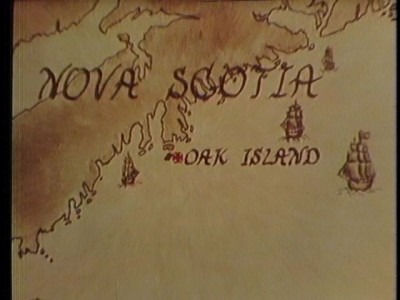
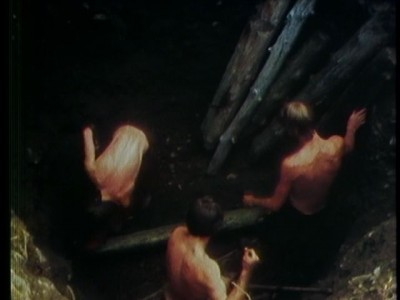
One of my favorites was the program on the Oak Island Treasure. As the story goes, in 1795 a teen discovered a depression in the ground on an uninhabited island off ofNova Scotia
The 146 episode collection arrives in a sturdy, attractively illustrated box. Opening the box at the top reveals the 21 DVDs, each season in its own single-width keepcase. It's a very nice looking package.
Audio:
The show was broadcast in mono, and that's what we get here. The sound was about what you'd expect from a show from the 70's that hasn't been restored. The narration comes through clearly, but it's not as crisp as a current show and the dynamic range is on the anemic side. Overall it's a fine sounding collection.
Video:
The full-frame color image has not been restored, and while it is showing its age, it generally looks good. The colors aren't as bright as you'd find on a syndicated program today, everything looks just a little muted, and there are a few instances of dirt but it's generally easy on the eyes.
Extras:
There are only a couple of extras, but they are fantastic. The final case contains three DVDs which include the entire revival series. Originally broadcast on the Sci-Fi Channel in 2002, this remake featured Mitch Pileggi (X-Files, Stargate Atlantis) as the host. Pileggi is a very good replacement for Nimoy, he has a similar SF pedigree and his voice is a bit creepy which fits in well with the tone of the show, but this version takes a more shotgun approach to the subject matter. Instead of devoting an episode to one a subject, each hour-long installment (around 45-minutes after you cut out the commercials) has 3-4 topics that aren't related at all. One, for example, deals with mummified human remains in catacombs inSicily
The final disc is reserved for the original two television specials, In Search of Ancient Astronauts and In Search of Ancient Mysteries, both narrated Rod Serling. It was the popularity of these two specials, the first one based on the best-selling book Chariots of the Gods? by Erich von Däniken, that led to the creation of the series. Serling was intended to host the show, but his untimely death in 1975 (at the age of 50) prevented that. These shows, hokey and filled with inaccuracies though they are, are great fun as well as some of the last work that Serling did.
Final Thoughts:
This show is nonscientific and just about always jumps to the most outlandish (and entertaining) conclusion possible. But it's an extremely fun program even if you're not quite won over to their point. I'm a huge skeptic when it comes to any of that pseudoscientific stuff, but I still had a blast watching this show. If you are at all interested in otherworldly topics such as UFO and ESP, you can't go wrong with this impressive set. Highly Recommended.
The Show:
Ahh, 1976. The
I was a middle school student at the time and a huge Star Trek fan, so when I heard that Leonard Nimoy was going to be hosting a show that investigates unexplained phenomenon, I was excited. I still remember watching the very first episode and catching as many of the others that I could. No, I wasn't taken in even at the wise age of 12 by everything theory that the show touted, but it was a lot of fun wondering what if. It also opened my eyes to a lot of history and information that I hadn't previously been exposed to, which was a good thing. The show has continued to air, sporadically, on independent stations and cable channels ever since it first debuted, and now it's finally available on DVD, thanks to Visual Entertainment Inc. They've released the entire six season of the show, the 2002 remake series, as well at the two original Rod Serling TV specials in a very attractive 21-disc set. That's 146 total episodes which run over 55 hours. It's enough to keep fans of the unexplained happy for a very long time.
The series is hosted by Leonard Nimoy and over the course of the show they look at just about every strange phenomena, paranormal event, supernatural happening, pseudoscientific theory, urban-legend, and modern-day myths that you can imagine. Everything from the abominable snowman to witch doctors and everything in between is touched upon.
It's this wide variety of topics that makes the show so much fun. Have trouble swallowing Animal ESP? Don't worry, the next one will be about something else, maybe the gigantic explosion near the
Most of the shows, especially in the earlier seasons, are devoted to more common pseudoscience beliefs: ESP, Atlantis, ghosts, UFOs, and Bigfoot all make early appearances. These shows rely on a lot of conjecture and leaps of logic, but that's a lot of the program's lure: throwing rigor out the window and thinking "but what if they're right??" One of my favorite tactics that the show employs is to ask viewers to accept an unproven supposition and then make a small intellectual leap from there: "If Bigfoot does exist, isn't it possible that the creature is migratory and doesn't stay in one place for very long?" They're careful not to actually state that Bigfoot exists. They let the viewers jump to that conclusion themselves. It's a nice way to lead people to a conclusion.
The one thing I honestly appreciated was seeing the "investigators" who research the various topics that are examined. These people were all very devoted and passionate about their fields. That doesn't mean that their conclusions have any more bearing on reality than someone who isn't obsessed, but the people watching for the Loch Ness Monster or hunting ghosts did have an infectious love for their oddball area of expertise. Getting to know some of these researchers is one of the reasons In Search of... is so enjoyable to watch.
The show doesn't always take to side of the unusual or supernatural either, something I had totally forgotten from watching it when it first aired. It's pretty rare, but occasionally they'll opt for a more rational explanation that doesn't involve something outside of the realm of science. The best example of this comes from the third season, when they did a show on very recent (at the time) disappearances of large private ships in the Bermuda Triangle. They related a few stories about wealthy people sailing for pleasure in the infamous area who disappeared and were never heard from again, but then they came up with an interesting theory: they were attacked by pirates. More specifically, drug dealers who wanted to use the boats to smuggle contraband. That's really not out of the realm of possibility.
As the show progresses more and more episodes are devoted to historical mysteries that aren't necessarily supernatural in nature. The above-mentioned
One of my favorites was the program on the Oak Island Treasure. As the story goes, in 1795 a teen discovered a depression in the ground on an uninhabited island off of
The DVD:
The 146 episode collection arrives in a sturdy, attractively illustrated box. Opening the box at the top reveals the 21 DVDs, each season in its own single-width keepcase. It's a very nice looking package.
Audio:
The show was broadcast in mono, and that's what we get here. The sound was about what you'd expect from a show from the 70's that hasn't been restored. The narration comes through clearly, but it's not as crisp as a current show and the dynamic range is on the anemic side. Overall it's a fine sounding collection.
Video:
The full-frame color image has not been restored, and while it is showing its age, it generally looks good. The colors aren't as bright as you'd find on a syndicated program today, everything looks just a little muted, and there are a few instances of dirt but it's generally easy on the eyes.
Extras:
There are only a couple of extras, but they are fantastic. The final case contains three DVDs which include the entire revival series. Originally broadcast on the Sci-Fi Channel in 2002, this remake featured Mitch Pileggi (X-Files, Stargate Atlantis) as the host. Pileggi is a very good replacement for Nimoy, he has a similar SF pedigree and his voice is a bit creepy which fits in well with the tone of the show, but this version takes a more shotgun approach to the subject matter. Instead of devoting an episode to one a subject, each hour-long installment (around 45-minutes after you cut out the commercials) has 3-4 topics that aren't related at all. One, for example, deals with mummified human remains in catacombs in
The final disc is reserved for the original two television specials, In Search of Ancient Astronauts and In Search of Ancient Mysteries, both narrated Rod Serling. It was the popularity of these two specials, the first one based on the best-selling book Chariots of the Gods? by Erich von Däniken, that led to the creation of the series. Serling was intended to host the show, but his untimely death in 1975 (at the age of 50) prevented that. These shows, hokey and filled with inaccuracies though they are, are great fun as well as some of the last work that Serling did.
Final Thoughts:
This show is nonscientific and just about always jumps to the most outlandish (and entertaining) conclusion possible. But it's an extremely fun program even if you're not quite won over to their point. I'm a huge skeptic when it comes to any of that pseudoscientific stuff, but I still had a blast watching this show. If you are at all interested in otherworldly topics such as UFO and ESP, you can't go wrong with this impressive set. Highly Recommended.
|




| Popular Reviews |
| Sponsored Links |
|
|
| Sponsored Links |
|
|
| Release List | Reviews | Shop | Newsletter | Forum | DVD Giveaways | Blu-Ray | Advertise |
|
Copyright 2024 DVDTalk.com All Rights Reserved. Legal Info, Privacy Policy, Terms of Use,
Manage Preferences,
Your Privacy Choices 
| |||||||