
| Reviews & Columns |
|
Reviews DVD TV on DVD Blu-ray 4K UHD International DVDs In Theaters Reviews by Studio Video Games Features Collector Series DVDs Easter Egg Database Interviews DVD Talk Radio Feature Articles Columns Anime Talk DVD Savant Horror DVDs The M.O.D. Squad Art House HD Talk Silent DVD
|
 DVD Talk Forum |
|
|
| Resources |
|
DVD Price Search Customer Service #'s RCE Info Links |
|
Columns
  


 
|
|
|
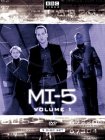
MI-5: Volume 1
The Program
The acclaimed BBC series Spooks was an immediate ratings success upon its release in 2002. Set in the complex yet grounded world of espionage, terrorism, and anti-terrorism, Spooks compelled viewers with its cleverly designed plots, enjoyable characters, sharp dialog, and distinct visual flair. The episodes were woven around the exploits of British intelligence agency MI-5, specifically showcasing fresh-faced agents Tom Quinn (Matthew MacFadyen), Zoe Reynolds (Keeley Hawes), and Danny Hunter (David Oyelowo), as they combated threats to national security from both domestic and foreign agitators. The show became a major hit, with episodes commanding upwards of forty-percent of the total television-viewing audience.
Spooks arrived on American shores in the summer of 2003, only this time retitled MI-5 for audiences on this side of the pond. Why MI-5? Perhaps they thought American viewers would equate "Spooks" with a horror-themed show, or perhaps even because of the term's unfortunate correlation with an antediluvian but still quite harmful racial epithet. Nonetheless, MI-5 was broadcast on the A&E channel for American fans, but unfortunately edited with nearly ten minutes cut from its one-hour running time. Yet even in its curtailed existence, MI-5 received rave reviews upon its introduction to an American audience.
After viewing all six uncut and unedited episodes in this Volume One DVD release, one can see a clear-cut demonstration of why all the hype is warranted: this is a great show. Although the show focuses mostly upon its three leads, there is some fine ensemble work going on here. The cast is uniformly excellent and believable in their roles, with plotlines that are fast-paced and gripping throughout. This is a series that is not afraid to take chances, as exemplified by a rather shocking and disturbing development that occurs late in the second episode (I will not even attempt to describe or spoil it here, but my mouth was gaping open in absolute shock.) MI-5 is definitely more grounded in realism than such similarly-styled fare seen on American television. It lacks the slick, candy-coated escapism and romanticism of Alias, or the white-knuckled, thrill-a-minute intensity of 24. MI-5 is its own beast altogether: a smart, thrilling series that pulls no punches and maintains a consistent level of quality and intelligence throughout its running time.
Video:
Shot on film for British television, MI-5 is presented in a 1.78:1 aspect ratio. The transfer has been anamorphically enhanced for your widescreen-viewing giddiness. The overall quality of the video is mixed, slanting towards the positive end of the spectrum but not without its flaws. The most problematic elements include noticeable compression noise and softness to the image. Pixellation, "mosquito noise" and blocking present themselves throughout the transfer to a noticeable if not excessive degree. These artifacts are especially present during darker scenes, with brighter moments faring much better. There are several instances of softness that detract from what is otherwise a reasonably sharp image. Colors come off strongest, resulting in a vibrant picture that displays remarkable lushness, depth of contrast, and shadow detail. Blacks are quite deep while brights are smartly handled without discernable ringing or moiré effects. The overall quality of the presentation is serviceable and often quite pleasant, but the flaws considerably bring the video rating down.
Audio:
The audio is delivered in both Dolby Digital 5.1 and 2.0. The six-channel mix is quite impressive, with excellent reproduction of both dialog and score. There is smart and effective usage of the surround channels, usually enhancing the score or playing up the ambient environment and background noise. LFE activity is minimal. The front stage demonstrates a focused, cohesive spatiality which, while not overly aggressive or directional, still conveys excellent depth and fidelity. Dialog levels are bright and clear, although I must confess to making use of the subtitle often to understand some of the thicker accents.
Extras:
There are a wide variety of extras spread out over the three bits. While I enjoyed them, my only complaint is that there should be some kind of "Play All" function. Often you will find yourself repeatedly clicking away at different selections to watch as little as one to two minutes of video.
Disc One contains audio commentary tracks for both episodes. Included on these tracks are writer David Wolstencroft, director Bharat Nalluri, and producer Jane Featherstone. They speak at length providing anecdotes, on-screen commentary, behind-the-scenes information, and the development of the series, especially in light of September 11th. The commentaries are informal and low-key, and provide for a reasonably entertaining and informative experience.
The extras continue with a fifteen-minute featurette entitled "The Origins of MI-5", in which executive producer Stephen Garrett discusses how pedantic "precinct"-styled television drama had become, how he grew intrigued by the world of spies and how he parleyed that interest into a new kind of "precinct" show. The featurette also includes the reflections of Series Producer Jane Featherstone and Producer Simon Crawford Collins, as they discuss the genesis of MI-5 and their involvement in the show's creation and development. The piece is slightly dry but remains a moderately informative behind-the-scenes look at the show from its creators.
Also included in Disc One are several text and video excerpts in the form of "secret documents." When you select the manila folder, the following extras are available: Appraisal - Zoe Reynolds, in which we read a short history of the character and watch actress Keeley Hawes discuss her thoughts on the role; Editing MI-5 - Colin Green, a five minute featurette in which series editor Colin Green offers up his stylistic approach to the pacing and tone of the show; Intelligence Report - Helen Flynn, a brief bio on the character of Helen Flynn as well as a nine-minute video about the cast's, crew's, and audience's reaction to the character; three minutes of Deleted Scenes; Secret Credits, which are the full cast and crew credits for Episodes I & II.
Selecting the white binder gives you access to the following extras: Profile - Tom Quinn, which features a short text bio and over two minutes of footage of actor Matthew MacFadyen; Creating MI-5 - David Wolstencroft, a three-minute interview with writer David Wolstencroft, Directing Ep. 1-2 - Bharat Nalluri, a five-and-a-half minute interview with director Bharat Nalluri; a stills Gallery with nineteen photographs from the set; DVD-Rom Content, featuring scripts, wallpaper, and weblinks.
Disc Two also contains audio commentaries for both episodes, this time featuring actress Keeley Hawes, director Rob Bailey, writer Simon Mirren, and writer Howard Brenton. A nine-minute featurette entitled "The Look of MI-5" details how the creators of the show created its unique, hyper-real visual flair. The "secret documents" continue as well on this disc. By selecting the manila folder, you gain access to the following: Profile - Zoe Reynolds, consisting of a text bio and two-and-a-half minute interview with Keeley Hawes; Appraisal - Harry Pearce, also containing a text bio and interview with actor Peter Firth; The Cast, a two-minute look at the selection of the show's cast; MI-5 Terminology, six text pages of a secret spy glossary and two minutes of video; Secret Credits, featuring the full cast and crew rundown for Episodes III & IV; Henry VI, almost three minutes of actor David Oyelowo's reflections on his writing experiences; DVD-Rom Content, with scripts, wallpaper, and weblinks.
Selecting the "white binder" opens up the following extras: Profile - Danny Hunter (text bio, one-and-a-half minute interview with actor David Oyelowo); Profile - Teresa Phillips (text bio, two minutes of video with actress Jenny Agutter); Appraisal - Tom Quinn (text bio, two minutes of video with writer David Wolstencroft and actor Matthew MacFadyen); Intelligence Report - Jools Siviter (text bio, three minutes of video with several cast and crew members); The Terror Question (a five minute video looking into how September 11th and global terrorism awareness affected the show); a stills Gallery; two-and-a-half minutes of Deleted Scenes.
Disc Three continues along a similar path in terms of extra material: Episodes V & VI both contain audio commentaries, this time with writer Howard Brenton, actor David Oyelowo, producer Jane Featherstone, editor Colin Green, and director Andy Wilson. The featurette on this disc is entitled "Jenny Agutter", a thirteen-minute interview with the actress.
And now... the secret documents! The manila folder unveils the following nifty bits: Appraisal - Dannny Hunter (text bio, four-and-a-half minutes of video); Profile - Harry Pearce (text bio, over one minute of video); sixteen minutes of Deleted Scenes; Secret Credits, with full cast/crew credits for Episodes V & VI; a three minute preview of Season Two. The white binder reveals: The World of Spies (nine minute video); Producers (three minute video featuring the series producers); Appraisal - Tessa Phillips (nearly six minutes of video with Jenny Agutter); a stills Gallery; DVD-Rom, with (all together now!) scripts, wallpaper, and weblinks.
You know what's the best thing about series that come out in seasons at
For fans of the series as well as newcomers to the show, the MI-5: Volume One DVD set is the absolute best way to experience it. Not only does the set come complete with all six episodes -- full, uncut, and without commercial interruption -- but it also features a host of fine supplemental material as well. I was a little taken aback by some flaws to the video presentation, but even the transfer, while somewhat problematic, is still enjoyable and watchable, especially in connection with the fine audio presentation and quality amount of extra material. This is one of the best surprises of the year, and without a doubt MI-5: Volume One comes very highly recommended.
|



| Popular Reviews |
| Sponsored Links |
|
|
| Sponsored Links |
|
|
| Release List | Reviews | Shop | Newsletter | Forum | DVD Giveaways | Blu-Ray | Advertise |
|
Copyright 2024 DVDTalk.com All Rights Reserved. Legal Info, Privacy Policy, Terms of Use,
Manage Preferences,
Your Privacy Choices 
| |||||||